Table of Contents
- Why Korean Sunscreens Dry Out Skin
- Best Korean Sunscreen for Dry Skin
- Korean Sunscreen for Sensitive Skin
- Hydrating Korean Sunscreen Formulas
- How to Layer Sunscreen Over Moisturizer
- What to Look For: Filters, Texture, and Finish
- Common Mistakes That Make Sunscreen Feel Tight
- Frequently Asked Questions
Last Updated: October 10, 2026
Why Korean Sunscreens Dry Out Skin
Korean sunscreen dry skin solutions are becoming increasingly important for people with moisture-sensitive complexions. The issue stems from how many sunscreen formulations work: they create a protective barrier on the skin's surface, but certain filter types and textures can leave skin feeling tight or parched, especially in dry or dehydrated conditions.
The problem intensifies in winter or in low-humidity environments. When you apply a sunscreen with a heavy, occlusive base or alcohol-heavy formulation, it can disrupt your skin barrier and pull moisture away from deeper layers. This is particularly true for chemical sunscreens, which absorb into the skin and may interfere with your skin's natural hydration mechanisms.
At Avana Beauty Inc, we've curated a selection of Korean sunscreen dry skin products specifically chosen to address this concern. Korean beauty brands excel at creating lightweight, hydrating formulas that protect without the drying aftermath. Understanding why certain sunscreens cause tightness helps you select products that work with your skin, not against it.
Best Korean Sunscreen for Dry Skin
The best Korean sunscreen for dry skin combines effective UV protection with ingredients that actively hydrate and nourish. Look for formulas featuring humectants like glycerin, hyaluronic acid, or panthenol, these draw moisture into the skin rather than stripping it away.
Korean brands often incorporate fermented extracts, peptides, and botanical essences that go beyond basic sun protection. These ingredients address dryness at the source while the sunscreen shield works above. The texture matters equally: creamy, dewy formulas tend to feel more comfortable on parched skin than matte or powdery finishes.
When selecting a sunscreen for dry skin, prioritize products labeled as "hydrating," "nourishing," or "moisturizing" rather than "oil-control" or "matte finish." These terms signal that the formula was designed with moisture retention in mind. Test the product on a small area first, what works for one person's dry skin may feel heavy on another's combination skin.
Korean Sunscreen for Sensitive Skin
Sensitive skin requires gentle sun protection that won't trigger irritation or inflammation. Korean sunscreens formulated for sensitive skin typically avoid common irritants like alcohol, fragrance, and high concentrations of chemical filters.
Many sensitive-skin focused Korean sunscreens use mineral filters like zinc oxide or titanium dioxide, which sit on the skin's surface rather than absorbing into it. This reduces the risk of triggering reactive skin. Additionally, Korean brands frequently include soothing ingredients such as centella asiatica (cica), which calms inflammation and strengthens the skin barrier.
A key consideration: sensitive skin is often also dehydrated skin. The best sensitive-skin sunscreens layer hydration into their formulation. This dual approach protects the skin barrier while defending against UV damage. If you've experienced irritation with other sunscreens, a Korean formula designed for sensitive skin may feel noticeably gentler and more comfortable throughout the day.
Hydrating Korean Sunscreen Formulas
Hydrating Korean sunscreen formulas actively work to improve skin moisture levels, not just prevent dryness. These products contain multiple layers of humectants and emollients that create a moisture-rich base before the UV filters activate. The key distinction is that hydrating sunscreens are engineered to counteract the dehydrating effect that UV filters, especially chemical filters, can exert on the skin's surface.
Common hydrating ingredients in Korean sunscreens include:
Humectants (draw water into the skin):
- Hyaluronic acid (multiple molecular weights for deep and surface hydration; low molecular weight penetrates deeper, while high molecular weight sits on the surface and prevents transepidermal water loss)
- Glycerin (draws moisture from the air and deeper skin layers; typically 3-5% in hydrating formulas)
- Panthenol (provitamin B5; humectant and skin-conditioning agent that reduces moisture loss and soothes irritation)
Emollients and occlusives (seal in hydration and soften the skin):
- Squalane or plant oils (mimic skin's natural sebum; prevent water evaporation without feeling greasy)
- Ceramides (restore skin barrier function and lock in moisture)
- Peptides (support skin firmness and hydration retention; also reduce inflammation)
Barrier-strengthening and soothing agents:
- Niacinamide (reduces transepidermal water loss, strengthens the skin barrier, and reduces redness)
- Centella asiatica extract (cica; calms inflammation and reinforces the skin barrier, which is critical because a compromised barrier loses moisture faster)
- Plant ferments (boost skin's natural moisture-holding capacity and provide antioxidants)
The interaction between these ingredients and sunscreen filters is crucial. Chemical UV filters absorb into the skin and convert UV rays to heat; this process can temporarily dehydrate the outer skin layers. Hydrating formulas counterbalance this by flooding the skin with moisture-binding ingredients before and alongside the filters. Mineral filters (zinc oxide, titanium dioxide) sit on the skin's surface and don't penetrate, so they're less likely to cause internal dehydration, but they can still feel occlusive and tight if not paired with hydrating ingredients.
The texture of a hydrating sunscreen typically feels lighter than you'd expect for a moisturizing product. Korean formulations excel at delivering moisture without greasiness through emulsification techniques that create a silky, fast-absorbing base. This is why many people find hydrating Korean sunscreens more wearable for daily use than traditional heavy creams.
How to Layer Sunscreen Over Moisturizer
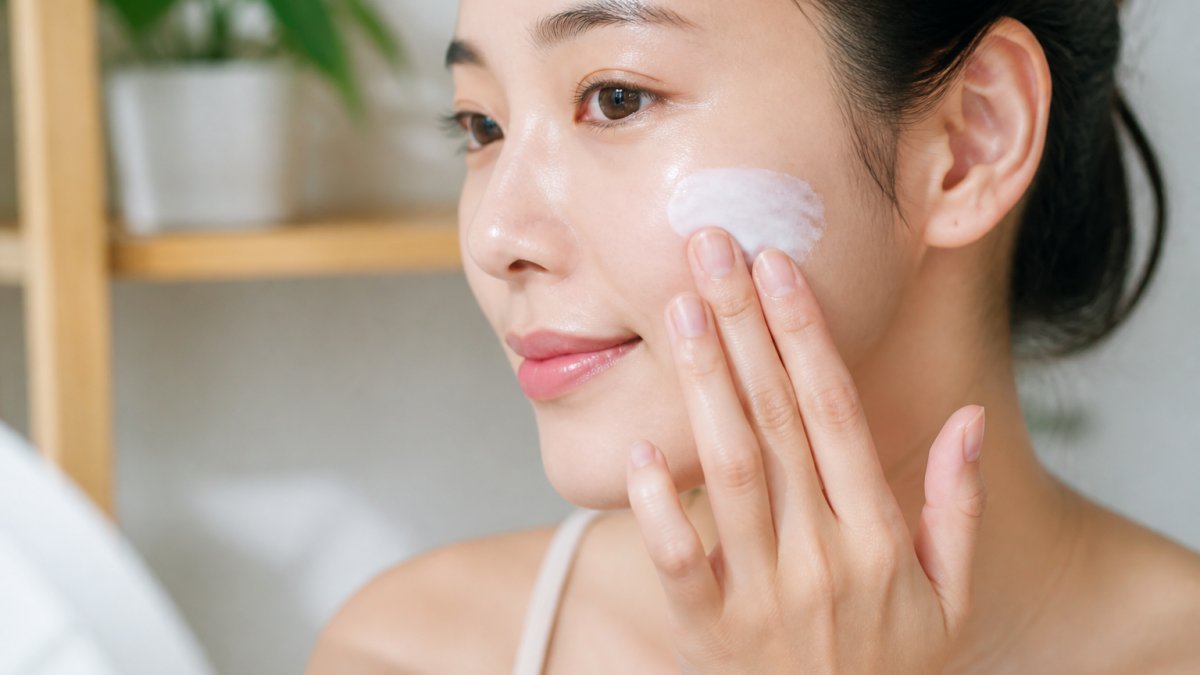
Layering sunscreen correctly over moisturizer is essential for preventing the tight, dry feeling that often comes from sunscreen application. The order, timing, and product texture all matter significantly, and the right approach varies by climate and daily environment.
Basic layering for dry skin:
Apply your moisturizer first and wait 1-2 minutes for it to absorb partially. Your skin should feel hydrated but not wet or sticky. Then apply your sunscreen in a thin, even layer.
If your moisturizer feels heavy, wait 2-3 minutes before applying sunscreen. A common mistake is layering too much product at once, which creates a barrier that feels suffocating and tight.
For those with very dry skin, consider using a hydrating essence or toner between your moisturizer and sunscreen. This adds another layer of moisture without adding weight. Korean beauty routines often include this step specifically to maximize hydration before sun protection.
Climate and environment-specific strategies:
Your climate and whether you're indoors or outdoors all day should influence which sunscreen texture you choose and how you layer it.
Cold, dry climates (winter or low-humidity regions): Use a richer moisturizer base and pair it with a creamy or milk-texture sunscreen rather than a gel. Gel sunscreens can feel evaporative in dry air and amplify the sensation of tightness.
Humid climates (summer or tropical regions): A lightweight gel or gel-cream sunscreen works better because it won't feel suffocating on already-moist skin. You can use a lighter moisturizer or hydrating essence instead of a heavy cream.
Mixed or variable climates: Keep two sunscreen textures on hand, a creamy formula for dry days and a gel for humid days. This flexibility prevents the mismatch that causes discomfort.
Mostly indoors (office, home): Use a lighter sunscreen texture and apply a thinner layer overall. Indoor UV exposure is lower, and you're less likely to sweat, so a heavier formula isn't necessary.
Reapplication without tightness:
Sunscreen degrades with sun exposure, sweating, and friction. Rather than reapply the same heavy amount, use a lighter layer or a sunscreen mist designed for touch-ups. This prevents the buildup that causes that uncomfortable tight sensation.
For very dry skin, consider a hydrating sunscreen mist that doubles as a refreshing spritz. These typically contain humectants and antioxidants, so reapplication also re-hydrates your skin rather than just adding another layer of filter.
What to Look For: Filters, Texture, and Finish
Understanding sunscreen filters helps you choose formulas less likely to cause dryness. Chemical filters absorb UV rays and convert them to heat; mineral filters reflect UV rays. For dry skin, mineral sunscreens sometimes feel less drying because they don't penetrate as deeply.
However, many modern Korean sunscreens use hybrid approaches or newer chemical filters that feel lighter and more hydrating than older formulations. The key is testing how the specific product feels on your skin rather than assuming all chemical sunscreens will dry you out.
Texture and finish significantly impact the drying sensation. A gel or gel-cream texture spreads smoothly and absorbs quickly, leaving skin feeling fresh rather than coated. A dewy or luminous finish typically indicates the formula contains hydrating ingredients and won't leave a matte, parched appearance.
Avoid sunscreens with a powdery or ultra-matte finish if dryness is your concern, these formulations prioritize oil control and will amplify any existing dryness. Instead, seek products described as "dewy," "glowy," "natural finish," or "skin-like."
Common Mistakes That Make Sunscreen Feel Tight
Several application and product-selection mistakes intensify the tight, dry feeling after sunscreen use. Recognizing these helps you adjust your routine immediately.
Using too much product is the most common error. Many people apply sunscreen as if it's a moisturizer, using far more than necessary. This creates an occlusive layer that feels heavy and suffocating. The recommended amount is about one-quarter teaspoon for the face, roughly the size of a grain of rice.
Applying sunscreen to completely dry skin without a hydrating base underneath causes immediate tightness. Your skin has no moisture to retain, and the sunscreen sits on a parched surface. Always prep with a hydrating moisturizer or essence first.
Skipping reapplication throughout the day is another issue. Sunscreen degrades with sun exposure and sweating. Rather than reapply the same heavy amount, use a lighter layer or a sunscreen mist designed for touch-ups. This prevents the buildup that causes that uncomfortable tight sensation.
Choosing the wrong sunscreen type for your climate is often overlooked. In dry, cold weather, lightweight gel sunscreens may feel too thin and evaporative. In humid weather, rich creamy sunscreens feel suffocating. Match your sunscreen texture to your environment for maximum comfort.
Protecting your skin from UV damage doesn't mean sacrificing comfort or hydration. Korean sunscreens that do not dry out skin are formulated with hydrating ingredients and lightweight textures that work with your moisture needs. At Avana Beauty Inc, we've selected premium Korean sunscreen options specifically designed for dry and sensitive skin types. Our curated collection prioritizes both sun protection and skin nourishment, so you can defend your complexion without the tight, parched feeling. Explore our Korean sunscreen selection and find the formula that keeps your skin protected, hydrated, and comfortable year-round.
Frequently Asked Questions
Which Korean sunscreen is best for dry and sensitive skin?
Look for Korean sunscreens with hydrating ingredients like niacinamide, hyaluronic acid, or centella asiatica. Mineral or hybrid filters (zinc oxide combined with chemical filters) tend to be gentler on sensitive skin than pure chemical formulas. Avoid products with high alcohol content or fragrance, which can irritate and dehydrate. Cream or serum textures work better than lightweight gels for dry skin, as they lock in moisture while providing UV protection.
What ingredients should I look for in sunscreen for dry skin?
Prioritize humectants and emollients: hyaluronic acid draws moisture into the skin, glycerin provides hydration, and ceramides strengthen the skin barrier. Panthenol soothes irritation, while niacinamide reduces inflammation and supports moisture retention. Avoid products listing alcohol denat high on the ingredient list, and skip fragrance if your skin is reactive. Korean formulas often include botanical extracts like green tea or snail mucin, which add both hydration and antioxidant benefits.
How can I stop sunscreen from making my skin feel tight?
Tightness usually stems from insufficient hydration underneath or using too little moisturizer before application. Apply sunscreen to damp skin after a hydrating toner or essence, then wait 1-2 minutes for it to set. Use a proper amount (about 1/4 teaspoon for the face) and avoid rubbing it in aggressively, which disrupts the moisture barrier. If your current sunscreen still feels tight, switch to a creamier formula or one labeled as hydrating or moisturizing.
Can I wear Korean sunscreen over moisturizer?
Yes, and it's actually recommended for dry skin. Apply your moisturizer first and let it absorb for 1-2 minutes, then apply sunscreen. Use a hydrating moisturizer with ingredients like hyaluronic acid or ceramides to create a moisture-rich base. If your sunscreen feels sticky or pills over moisturizer, wait slightly longer between products or use less moisturizer. Some people find that a lightweight hydrating essence between moisturizer and sunscreen helps both products layer smoothly without tightness.