Table of Contents
- Why the Korean Skincare Routine Works for Dry Skin
- Korean Double Cleansing Method for Dry Skin
- Korean Skincare Ingredients for Hydration
- How to Layer Korean Skincare Products Correctly
- Seasonal Adjustments for the Korean Skincare Routine
- Ingredient Interactions, Budget, and Post-Procedure Care
- Recommended Products to Build Your Routine
- Conclusion
Last Updated: August 16, 2026
Why the Korean Skincare Routine Works for Dry Skin
The korean skincare routine for dry skin treats hydration as a layered system, not a single step. At Avana Beauty Inc, we've curated products specifically for this philosophy. K-beauty addresses the real problem: dry skin lacks the infrastructure to hold moisture. Transepidermal water loss, water evaporating through the skin's outer layers, is the enemy. A korean skincare routine tackles this at multiple levels simultaneously.
The Layering Philosophy and Barrier Repair
The layering philosophy applies products from thinnest to thickest consistency, allowing each layer to absorb before adding the next. Thinner, water-based products penetrate more deeply when applied first. Richer, occlusive layers seal everything in afterward. For dry skin, this matters enormously. A compromised lipid barrier means moisture escapes faster than it can be replenished. Layering humectants, emollients, and occlusives rebuilds that barrier from the inside out. According to the Canadian Dermatology Association's guidance on dry skin management, restoring the skin barrier is foundational for any dry skin treatment protocol.
Korean Double Cleansing Method for Dry Skin
The korean double cleansing method for dry skin sounds counterintuitive, two cleansing steps instead of one, but it actually causes less damage to the skin barrier than a single harsh cleanser used twice daily. An oil-based cleanser dissolves sunscreen, makeup, and sebum without disrupting the skin's natural lipid layer. A gentle water-based cleanser follows to remove remaining water-soluble residue. For dry skin, double cleanse only in the PM. In the morning, a simple rinse with lukewarm water or a single gentle cleanser is enough.
Choosing an Oil-Based Cleanser That Won't Strip Moisture
The biggest mistake is picking an oil cleanser formulated for oily skin. These contain astringent plant oils that leave dry skin feeling tight and reactive. For dry and sensitive skin, look for formulas built around nourishing oils like sunflower, squalane, or jojoba; products that emulsify gently with water; fragrance-free or low-fragrance options; and pH-balanced formulas. Avoid anything labeled "deep pore cleansing" or "purifying", those are built for oilier skin.
How to Pick a Gentle Water-Based Cleanser
The second step should feel like almost nothing. A gentle, low-pH water-based cleanser removes residue without stressing the skin barrier. Foam cleansers are often too stripping for dry skin. Cream cleansers, gel cleansers with a milky texture, or micellar-style formulas work better. Check the pH: a cleanser between 4.5 and 6.5 maintains the skin's natural acid mantle, which is critical for barrier integrity.
Korean Skincare Ingredients for Hydration
Understanding which ingredients to look for transforms the routine into a targeted strategy. Humectants draw water into the skin. Emollients fill gaps in the skin barrier and improve texture. Occlusives form a physical seal that slows transepidermal water loss. A well-built routine uses all three. Most dry skin routines fail because they only use one.
Ceramides and Lipid Barrier Support
Ceramides are the most important ingredient for dry skin that most people aren't using consistently enough. These lipid molecules make up a significant portion of the skin's natural barrier structure. When ceramide levels drop, the barrier becomes porous and moisture escapes more easily. Products containing ceramides help restore and reinforce this barrier, reducing transepidermal water loss over time. For best results, look for ceramides paired with cholesterol and fatty acids, which is how they appear naturally in the skin. According to research published in the Journal of Investigative Dermatology, the ratio of ceramides to cholesterol to fatty acids significantly affects clinical effectiveness.
Hyaluronic Acid, Snail Mucin, and Humectant Ingredients
Hyaluronic acid holds many times its weight in water, delivering immediate plumping and a dewy finish. The most effective formulas use multiple molecular weights, with smaller molecules penetrating deeply and larger ones working at the surface. Snail mucin is one of those K-beauty ingredients that sounds unusual but has a strong track record for dry and sensitive skin. It contains hyaluronic acid, glycoproteins, and allantoin that simultaneously hydrate, soothe, and support skin regeneration. Other humectants worth looking for: glycerin, panthenol, beta-glucan, and sodium PCA.
How to Layer Korean Skincare Products Correctly
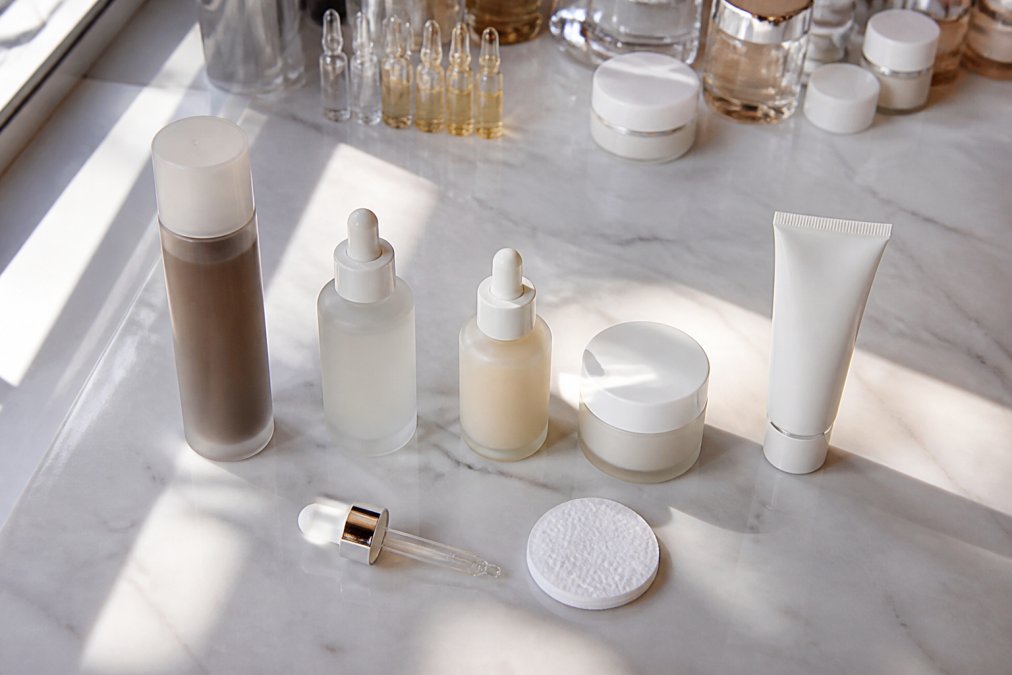
Knowing how to layer korean skincare products correctly separates a routine that works from expensive products that don't. The order is non-negotiable: apply thinnest to thickest, and allow each layer to absorb before applying the next. If a product feels like water, it goes first. If it feels like a gel, it goes in the middle. If it feels like a cream or oil, it goes last. Sunscreen always closes the morning routine.
Morning Routine: Step-by-Step Order
A morning korean skincare routine for dry skin focuses on hydration and protection. You don't need every possible step every morning.
- Gentle cleanser (or lukewarm water rinse)
- Toner (hydrating, not astringent)
- Essence (lightweight, concentrated hydration)
- Serum or ampoule (target specific concerns)
- Eye cream (pat gently around orbital bone)
- Moisturizer (seal in previous layers)
- Sunscreen (SPF 30 or higher) (non-negotiable)
Evening Routine: Step-by-Step Order
The evening routine is where real repair work happens. Skin cell turnover accelerates overnight, making it ideal for regenerating and nourishing ingredients.
- Oil-based cleanser
- Water-based cleanser
- Exfoliant (2-3x per week only) (mild AHA like lactic acid; skip on sensitive nights)
- Toner
- Essence
- Serum or ampoule (richer than morning options)
- Sheet mask (2-3x per week) (15-20 minute intensive hydration boost)
- Moisturizer (richer formula than morning)
- Sleeping mask or facial oil (optional) (occlusive final layer)
| Step | Morning | Evening | Key Ingredient to Look For |
|---|---|---|---|
| Cleanse | Water rinse or gentle cleanser | Double cleanse | Low-pH, fragrance-free |
| Toner | Hydrating toner | Hydrating toner | Glycerin, hyaluronic acid |
| Essence | Yes | Yes | Fermented extracts, niacinamide |
| Serum | Lightweight | Richer formula | Snail mucin, ceramides, peptides |
| Moisturizer | Medium-weight | Rich cream | Ceramides, shea, squalane |
| Occlusive | Sunscreen | Sleeping mask or facial oil | Dimethicone, petrolatum, plant oils |
Seasonal Adjustments for the Korean Skincare Routine
Dry climates and cold winters create conditions where even a well-built routine stops working. The routine needs to flex with the season.
Winter adjustments: Swap lightweight gels for richer cream formulas. Add a facial oil as the final PM step. Increase sheet mask frequency to three or four times per week. Consider a humidifier in the bedroom.
Summer adjustments: Humidity naturally supports hydration, so you can scale back to lighter textures. A gel-cream moisturizer replaces a heavy cream. Sunscreen becomes even more important.
Transition seasons: The skin barrier is most reactive during rapid temperature shifts. Reduce exfoliation frequency and prioritize soothing ingredients like centella asiatica, panthenol, and beta-glucan.
Ingredient Interactions, Budget, and Post-Procedure Care
Ingredients to Avoid Mixing on Dry, Sensitive Skin
Some ingredient combinations cause irritation even when each product is individually well-tolerated. For dry, sensitive skin, avoid:
- Vitamin C (ascorbic acid) + AHA/BHA exfoliants: Both are acidic and increase irritation risk
- Retinol + AHA/BHA: Too aggressive for most dry skin types
- Niacinamide + high-concentration Vitamin C: Can interact and cause flushing
According to Health Canada's guidance on cosmetic ingredient safety, consumers with sensitive skin should introduce new active ingredients one at a time, with at least one week between additions.
Budget-Friendly vs. Luxury Routine Options
You don't need to spend a lot to get results. The philosophy and layering order matter more than price point. Focus spending on toner, serum, and moisturizer. Use a simple, inexpensive oil cleanser and basic water-based cleanser. The Avana Beauty Inc product range includes options at both ends of the spectrum.
Post-Procedure Skin Care with a K-Beauty Approach
Post-procedure skin is an intensified version of dry, sensitive skin. During the first 72 hours after any procedure: stop all exfoliants, retinoids, and active serums; use only gentle, fragrance-free cleansers; layer hydrating toner and barrier-repair serum with ceramides or snail mucin; apply a rich, occlusive moisturizer; avoid sheet masks with active ingredients; and use mandatory sunscreen even indoors. Wait one to two weeks before reintroducing exfoliating actives.
Recommended Products to Build Your Routine
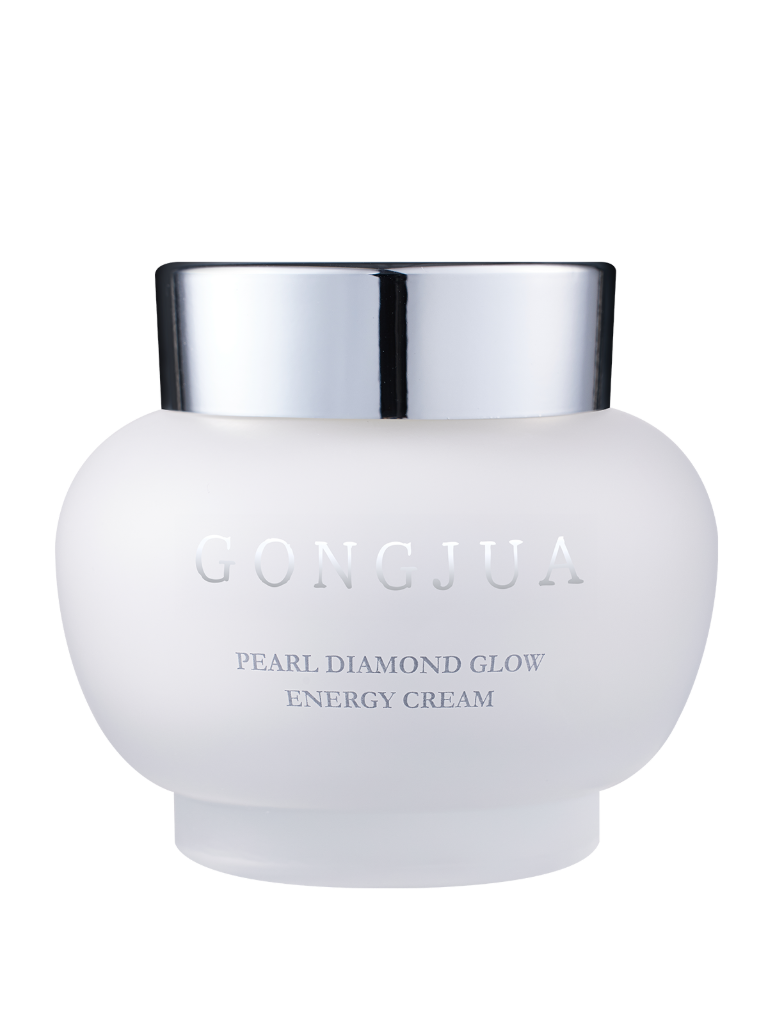
For dry skin, the Gongjua line available through Avana Beauty Inc is a coherent option. Each product is formulated to work as part of a layered system.
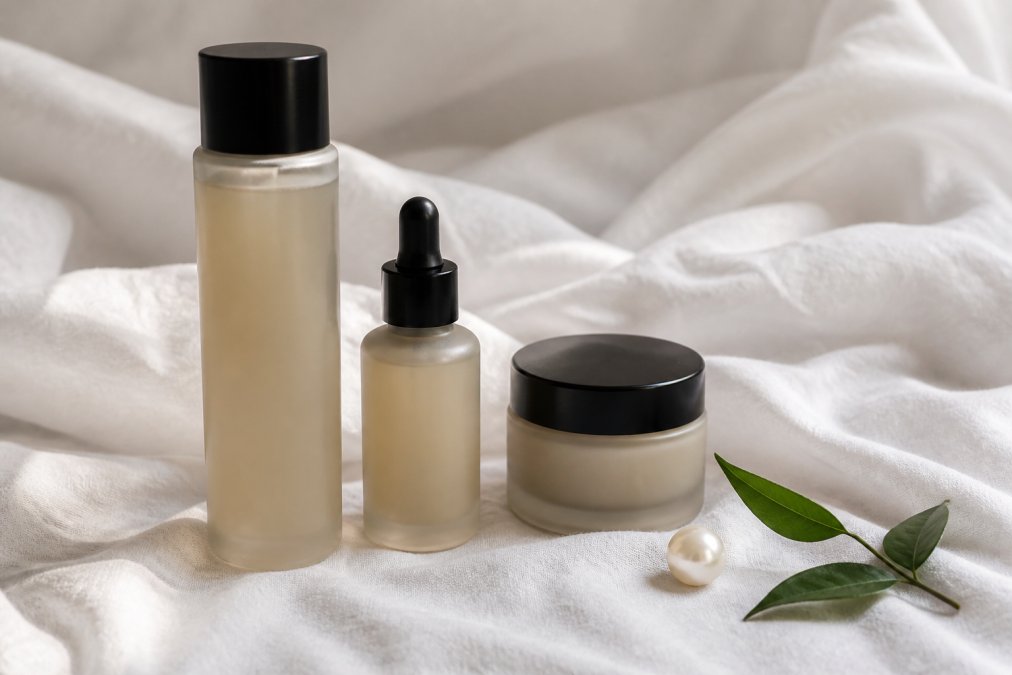
Gongjua Pearl Hyaluronic Deep Toner (200mL), $50.00 This foundation of the layering system hydrates immediately and prepares skin to absorb subsequent layers. For dry skin, using a hydrating toner at this step is the single biggest upgrade most people can make.
Gongjua Pearl Nutrition Serum (50mL), $35.00 A nourishing serum that replenishes moisture, improves elasticity, and supports the skin barrier. Pearl-derived ingredients contribute to brightening alongside hydration benefits.

Gongjua Pearl Nutrition Cream (50g), $50.00 Formulated specifically for dry skin, this cream strengthens the barrier and improves elasticity. Works as both day and night moisturizer, though it performs best in the PM.

Gongjua Pearl Nutrition Bundle, $124.00 All three products together. Starting with a designed system rather than mixing individual products from different lines is a smarter approach and saves money.

For deeper ingredient science, the International Journal of Cosmetic Science's research on barrier repair formulations provides solid foundation for understanding why ceramide-hyaluronic acid combinations perform effectively.
Dry skin doesn't respond to a single product. It responds to a system. The korean skincare routine works because it treats hydration as a process of layering, barrier repair, and consistent protection. Avana Beauty Inc has built its product selection around exactly this philosophy, with the Gongjua Pearl Nutrition Bundle offering a complete, barrier-focused starting point for dry skin. Get started with Avana Beauty Inc and experience what a genuinely hydrating routine feels like.
Frequently Asked Questions
What is the best Korean skincare routine for dry skin?
A Korean skincare routine for dry skin centers on hydration layering: double cleanse with a gentle oil-based cleanser followed by a low-pH water-based cleanser, then apply a hydrating toner, essence, serum, and a nourishing cream. Look for ceramides, hyaluronic acid, and snail mucin. Finish mornings with sunscreen. This multi-step approach reduces transepidermal water loss and steadily rebuilds the lipid barrier, giving dry skin the moisture retention it needs.
Can Korean skincare actually help with flaky, dry skin?
Yes. The Korean skincare routine addresses flaky, dry skin by focusing on barrier repair rather than just surface hydration. Ingredients like ceramides rebuild the lipid barrier, while humectants such as hyaluronic acid draw water into the skin. Occlusives in creams then seal that moisture in. Consistent use of this layering method reduces flaking noticeably within two to four weeks, provided you avoid harsh cleansers and over-exfoliation, which are common triggers for dry, sensitive skin.
How often should I exfoliate dry skin in a Korean skincare routine?
Dry skin should be exfoliated no more than once a week, and only with a gentle chemical exfoliant like a low-concentration PHA or lactic acid. Physical scrubs can create micro-tears and worsen sensitivity. On non-exfoliation nights, focus on nourishing steps: essence, ampoule, and a barrier-repairing cream. If your skin feels tight or irritated after exfoliating, extend the gap to every ten to fourteen days and prioritize soothing, ceramide-rich products to restore the skin barrier.
How do I layer Korean skincare products without pilling or irritation?
Apply products from thinnest to thickest consistency and allow each layer to absorb for 30 to 60 seconds before applying the next. Start with a hydrating toner, then essence, then serum or ampoule, then moisturizer, then any occlusive. Avoid mixing actives like retinol and vitamin C in the same step. For dry, sensitive skin, skip alcohol-heavy formulas and fragrance-heavy products, which disrupt pH balance and increase irritation risk. Patch-test any new product on your inner arm for 48 hours first.
This article was written using GrandRanker