Table of Contents
- Understanding Hyperpigmentation and Dark Spots
- Building a Korean Skincare Routine for Hyperpigmentation
- Key Brightening Ingredients: Korean Vitamin C Serum and Beyond
- How Long Does It Take to Fade Dark Spots
- Korean Skincare for Post-Acne Marks and Discoloration
- Common Mistakes to Avoid When Fading Hyperpigmentation
- Frequently Asked Questions
Last Updated: October 6, 2026
Understanding Hyperpigmentation and Dark Spots
Hyperpigmentation is the darkening of skin caused by excess melanin production or buildup. It appears as patches, spots, or overall dullness on the face and body.
Common causes include sun exposure, post-acne marks, hormonal changes, and aging. Sun damage triggers melanin overproduction as a protective response.
The good news: consistent treatment with the right ingredients can fade hyperpigmentation. Korean skincare excels at this because it combines hydration, targeted actives, and gentle exfoliation.
Building a Korean Skincare Routine for Hyperpigmentation
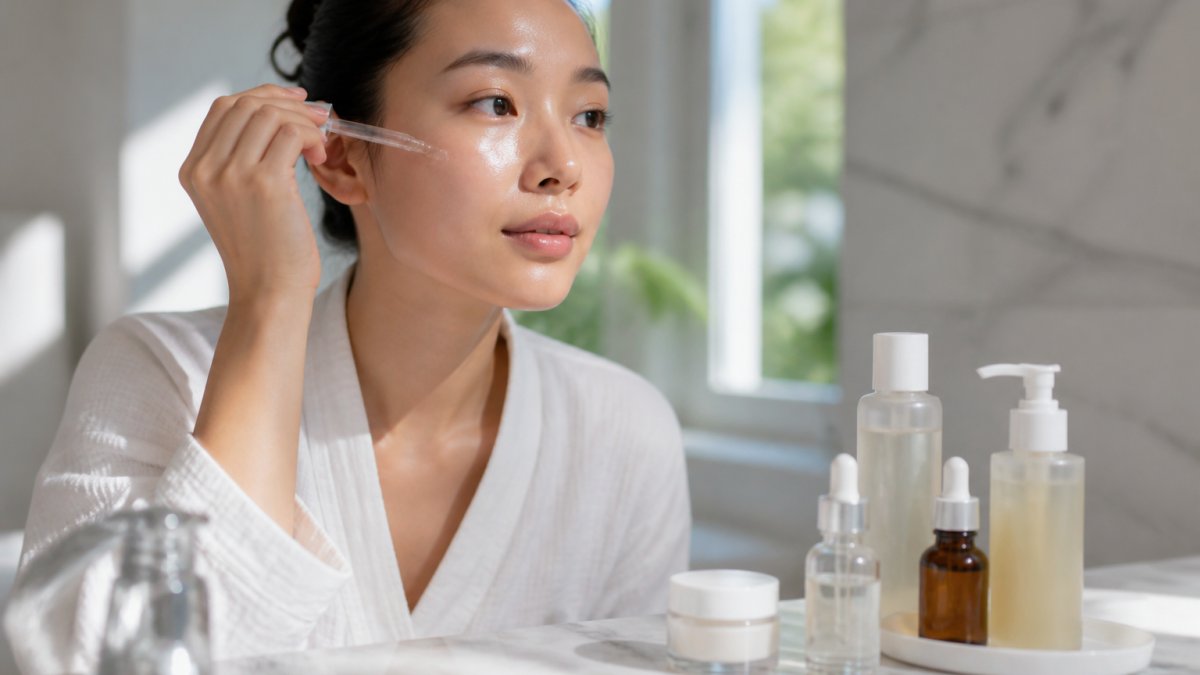
A Korean routine for hyperpigmentation is built on two principles: layer from thinnest to thickest, and never stack more actives than your barrier can tolerate. The routine below splits into morning and evening because several brightening ingredients belong in only one of them.
Morning Routine (in order)
- Gentle cleanser. Use lukewarm water. If your skin is dry or reactive, a water rinse alone is enough in the morning.
- Hydrating toner. Pat in with palms, not a cotton pad, to avoid friction. Wait about 30 seconds.
- Vitamin C serum. Apply to dry skin before anything heavier. Vitamin C is a morning ingredient because it supports your skin against daytime UV and pollution. Wait 1-2 minutes.
- Niacinamide or tranexamic acid serum. If your brightening serum already contains both, this is the same step. If you use them separately, apply the thinner formula first.
- Moisturizer. Seals the layers and supports the barrier.
- Sunscreen, SPF 30 or higher, broad-spectrum. This is the last step every morning, indoors or out.
Evening Routine (in order)
- Oil cleanse, then water-based cleanse if you wore sunscreen or makeup. A single gentle cleanser is fine on no-sunscreen days.
- Hydrating toner. Same as morning.
-
Treatment step, rotate, don't stack. This is where most people go wrong. Pick one of the following per evening:
- Exfoliating acid night (1-2x per week): AHA such as lactic or mandelic acid. Skip retinoid and vitamin C this evening.
- Retinoid night (2-3x per week): Start at the lowest strength, apply a pea-sized amount, and buffer with moisturizer first if you're sensitive. Skip acids this evening.
- Recovery night (the remaining nights): Hydrating toner, a barrier moisturizer, and nothing else. Recovery nights are not wasted nights, they're what let you keep using actives without irritation.
- Brightening serum on non-acid, non-retinoid nights, or in the morning if your skin tolerates it.
- Moisturizer. Richer at night is fine.
Ingredient Compatibility at a Glance
- Vitamin C + sunscreen: combine, morning. This is the one pairing that actively helps.
- Niacinamide + most actives: generally well tolerated together. The old warning about vitamin C and niacinamide is largely outdated in modern stabilized formulas, but if you react, separate them by routine.
- Tranexamic acid + niacinamide: a common and well-tolerated pairing for stubborn marks.
- Retinoid + AHA/BHA: do not use in the same evening. Alternate nights.
- Retinoid + vitamin C: separate them, vitamin C in the morning, retinoid at night.
How to Introduce Actives Safely
Introduce one new active at a time, and wait at least two weeks before adding the next. Patch test on your inner forearm or behind the ear for three nights before applying to your face. Start at half the recommended frequency, twice a week instead of four times, and increase only if you have no stinging, redness, or flaking.
If you can only commit to three products, make them a gentle cleanser, a brightening serum with niacinamide or tranexamic acid, and daily sunscreen. That trio outperforms a ten-step routine you can't sustain.
Key Brightening Ingredients: Korean Vitamin C Serum and Beyond
Korean skincare formulas use specific actives that target pigmentation. Understanding these ingredients helps you choose the right products for your skin.
Vitamin C and Antioxidants
Vitamin C brightens skin and reduces dark spot appearance. It works by inhibiting melanin production and protecting against further sun damage. Antioxidants like vitamin E support this process by neutralizing free radicals.
Korean vitamin C serums often use stabilized forms that penetrate deeply. The ingredient works best in the morning routine before sunscreen. Results appear gradually over 4-8 weeks of consistent use.
Niacinamide for Even Tone
Niacinamide (vitamin B3) reduces redness and evens skin tone. It strengthens your skin barrier, which reduces irritation from other actives. This ingredient is gentle enough for sensitive skin.
The Gongjua serum contains niacinamide as a core ingredient. It works synergistically with other brightening compounds. Many people notice improved texture and clarity within two weeks.

Tranexamic Acid for Stubborn Marks
Tranexamic acid specifically targets stubborn dark spots and melasma. It reduces inflammation and inhibits melanin production more effectively than many alternatives. The ingredient is well-tolerated by most skin types.
This ingredient shines for post-acne marks and sun damage. It takes 6-10 weeks to show significant results, but persistence pays off. Combine it with sunscreen for best outcomes.
Gentle Exfoliation with AHA
Alpha hydroxy acids (AHA) like lactic acid gently remove dead skin cells. This reveals brighter skin underneath and allows other ingredients to penetrate better. Korean formulas use lower concentrations than Western exfoliants, making them gentler.
Exfoliate 2-3 times weekly, not daily. Over-exfoliation causes irritation and worsens hyperpigmentation. Start with once weekly if your skin is sensitive. The Gongjua serum contains lactic-acid-bacteria-derived exosomes for gentle renewal.
The most effective approach combines multiple ingredients. Hydration + targeted actives + sun protection = visible fading. No single ingredient works alone.
How Long Does It Take to Fade Dark Spots
Timelines depend on three things: how deep the pigment sits, how much ongoing inflammation or UV exposure is feeding it, and how consistently you use your routine. Topicals work on pigment that is still in the epidermis, the upper layer. Pigment that has dropped into the dermis is much harder for skincare to reach, which is why some spots plateau no matter what you apply.
Realistic Timelines by Type
- Post-inflammatory hyperpigmentation (post-acne marks): 4-8 weeks for visible improvement. These marks are usually epidermal and respond well to niacinamide and tranexamic acid. Fresh red or pink marks fade faster than older brown ones.
- Sun spots (solar lentigines): 8-12 weeks, and often longer. These develop over years of cumulative UV exposure and sit deeper. Daily sunscreen is what stops new ones forming while your routine works on existing ones.
- Melasma: 12-16 weeks at minimum, and often a long-term management rather than a cure. Melasma is driven by hormones and heat as well as UV, so it can flare with pregnancy, hormonal contraception, or even hot yoga. Topical skincare can lighten it but rarely eliminates it.
- Dermal pigmentation (such as some forms of melasma or certain birthmark-type spots): may not respond meaningfully to over-the-counter products at all.
What Progress Actually Looks Like
Week 3-4 is usually too early to see spot fading, but you may notice better texture and a less dull overall tone. Weeks 6-8 is when most people see the first real lightening of individual marks.
A common pattern is roughly 30-50% improvement by week 8 for post-acne marks with consistent use, but this varies widely by skin tone, spot depth, and how strictly you apply sunscreen.
Gongjua Pearl Black Shot Toning Serum (50mL) →
How to Track Progress Properly
Your eyes adapt to gradual change, so you will often feel like nothing is happening when it is. Track it instead of guessing:
- Take a photo in the same spot, same lighting, same time of day, once every two weeks. Natural indirect daylight near a window works better than bathroom lighting.
- Include a plain background and no makeup. Keep your expression neutral.
- Note the date and any routine changes in a simple log.
- Compare photos side by side at the four-week mark, not daily.
When to See a Professional
Skincare has limits. Book an assessment with a physician or dermatologist if:
- A spot is changing in size, shape, color, or texture, or is new and growing.
- A spot bleeds, itches, crusts, or does not heal.
- A mole looks asymmetric, has an irregular border, contains multiple colors, or is larger than a pencil eraser.
- Pigmentation is spreading rapidly, or appears suddenly across a wide area.
- You have used a consistent brightening routine with daily sunscreen for 12 weeks with no change at all.
- You suspect melasma and are pregnant, breastfeeding, or considering hormonal medication, treatment options differ.
A physician can also confirm what type of pigmentation you actually have, which changes the treatment path. Prescription options, in-office treatments, and professional chemical peels go beyond what any at-home routine can do, and some pigmentation types should not be treated with strong actives at all.
Consistency beats intensity. Twelve weeks of a routine you can actually maintain, with sunscreen every single morning, will outperform three weeks of aggressive layering followed by a damaged barrier and a restart.
Korean Skincare for Post-Acne Marks and Discoloration
Post-acne marks differ from other hyperpigmentation. They're inflammation-related discoloration, not sun damage. Korean skincare addresses this with soothing and brightening ingredients together.
Niacinamide reduces the redness component of acne marks. Tranexamic acid targets the darker pigmentation. Together, they address both aspects of post-acne discoloration.
The Gongjua Black Shot Toning Bundle includes all steps needed for post-acne recovery. The toner hydrates irritated skin.

Start slowly if your skin is still reactive. Use the routine once daily for the first week, then twice daily.
Common Mistakes to Avoid When Fading Hyperpigmentation
Skipping sunscreen. This is the biggest mistake.
Expecting overnight results. Hyperpigmentation took months or years to develop.
Overusing actives. More exfoliation or stronger serums doesn't speed results.
Switching products too frequently. Your skin needs 6-8 weeks to respond.
Ignoring your skin barrier. A damaged barrier makes hyperpigmentation worse.
Treating all spots the same. Sun spots need different care than acne marks.
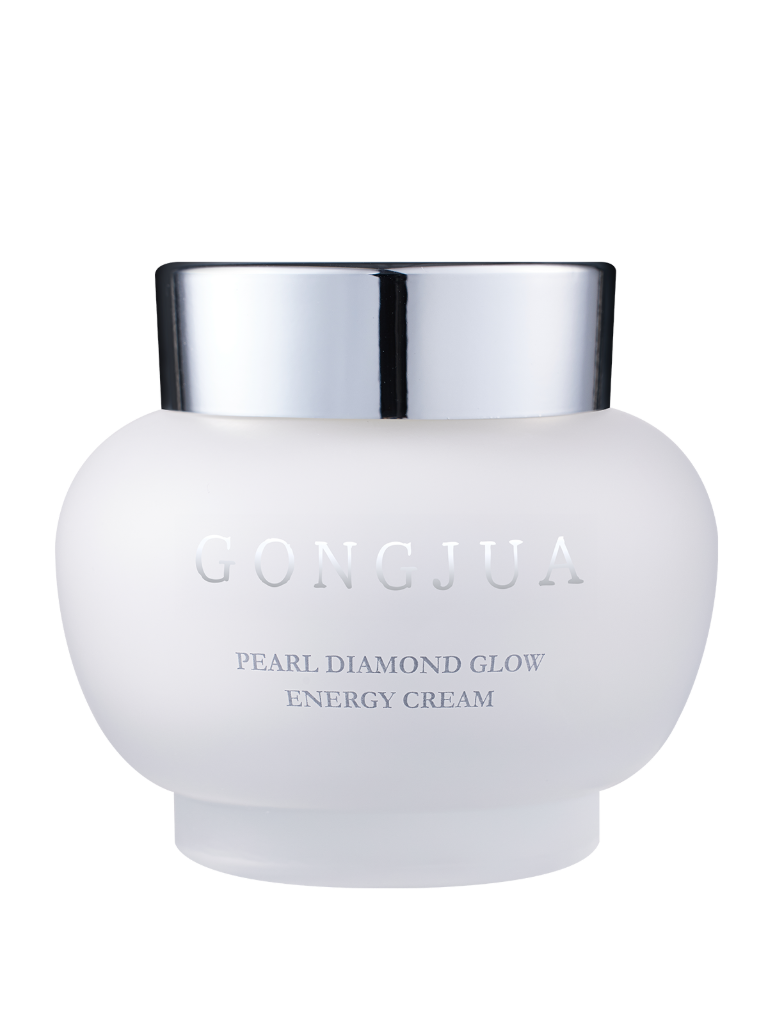
Fading hyperpigmentation requires patience, consistency, and the right ingredients. At Avana Beauty Inc, we've curated products that work together seamlessly, the Gongjua Pearl Black Shot Toning Serum and Toning Cream combine proven brightening ingredients with the hydration your skin needs.

Frequently Asked Questions
Which Korean skincare ingredients help fade hyperpigmentation?
Several K-beauty ingredients address dark spots and uneven tone. Niacinamide reduces melanin production and strengthens the skin barrier. Vitamin C brightens and provides antioxidant protection. Tranexamic acid targets stubborn discoloration. Alpha hydroxy acids gently exfoliate to accelerate cell renewal. Freshwater pearl extract and lactic-acid-bacteria-derived exosomes support skin clarity. Products like the Gongjua Pearl Black Shot Toning Serum combine these ingredients for targeted treatment of hyperpigmentation and post-acne marks.
How long does it take for Korean skincare to fade dark spots?
Visible results typically appear within 4-8 weeks of consistent use, though this varies by spot type and depth. Sun damage spots fade more slowly than post-acne marks. Stubborn hyperpigmentation may need 12 weeks or longer. Consistency matters: use products daily, both morning and evening, and always apply sunscreen to prevent new spots. Track progress with photos taken in the same lighting to notice subtle improvements. If dark spots do not improve after 12 weeks, consider professional assessment.
Can you use vitamin C and niacinamide together for hyperpigmentation?
Yes, vitamin C and niacinamide work well together and are both safe to layer. Vitamin C brightens and protects with antioxidants, while niacinamide evens tone and calms irritation. Apply vitamin C serum first on clean, damp skin, then follow with niacinamide-containing products. This combination addresses multiple causes of discoloration. Many K-beauty routines use both ingredients in sequence without issue. If your skin is sensitive, introduce one active at a time and monitor for irritation.
Does sunscreen actually prevent dark spots from getting darker?
Yes, sunscreen is critical for preventing hyperpigmentation from worsening. UV exposure triggers melanin production, darkening existing spots and creating new ones. Mineral or tinted sunscreen offers better coverage for visible hyperpigmentation. Reapply every two hours, especially if outdoors. Without daily sunscreen, even the most effective brightening routine will show slower results. Sun protection is not optional when treating dark spots; it directly determines how quickly you see improvement.