Table of Contents
- Why Combination Skin Needs a Different Korean Moisturizer
- Best Korean Moisturizer for Combination Skin: Top Picks by Concern
- Korean Gel Moisturizer for Combination Skin: When Lightweight Wins
- Korean Skincare Ingredients for Combination Skin That Earn Their Place
- A Korean Skincare Routine for Combination Skin, Step by Step
- How to Apply Moisturizer Across Zones, Seasons, and Indoor Heating
- How to Tell a Moisturizer Is the Wrong Match
- Frequently Asked Questions
Last Updated: October 20, 2026
Why Combination Skin Needs a Different Korean Moisturizer
Combination skin needs a moisturizer that hydrates dry patches without feeding the oily T-zone, and Korean formulas are built for exactly that split. Most Western creams pick a side: rich enough for cheeks, too heavy for the nose and forehead, or light enough for shine control but useless on flaking areas. K-beauty formulators solve this with layered textures, humectants that pull water in, and lightweight emollients that seal without suffocating pores.
Best Korean Moisturizer for Combination Skin: Top Picks by Concern
The best Korean moisturizer for combination skin depends on which half of your face causes more trouble. Below are three picks from our collection, matched to the concern each one handles best.
| Product | Size | Price | Best For |
|---|---|---|---|
| DumiDang Mung Bean Cream | 50g | $45.00 | Calming, barrier support |
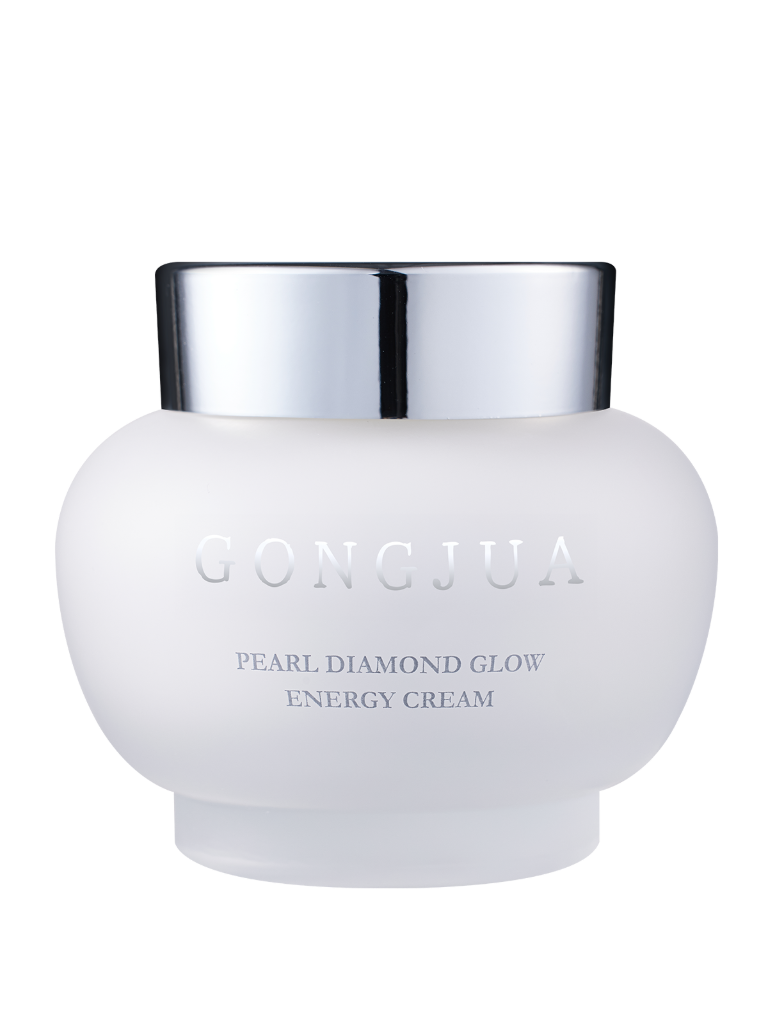
| Gongjua Pearl Pore Texture Care Cream | 50g | $45.00 | Texture and visible pores |
| Daylisse Milk-Mide Blemish Cream | 20g | $50.00 | Uneven tone, blemish-prone skin |
For Calming and Barrier Support: DumiDang Mung Bean Cream
Sensitive, reactive combination skin does best with this one. The DumiDang Mung Bean Cream is a lightweight daily moisturizer formulated for sensitive, combination, oily, and dehydrated skin, and it absorbs without residue. Its formula includes mung bean extract, galactomyces ferment filtrate, bifida ferment extract, and Centella asiatica extract, which support the skin barrier and calm the look of irritation. We recommend it when redness and dehydration sit alongside excess oil.

For Texture and Visible Pores: Gongjua Pearl Pore Texture Care Cream
Textured, oily-leaning combination skin gets the most from this cream. The Gongjua Pearl Pore Texture Care Cream targets the look of smoother texture and refined pores with freshwater pearl extract, chestnut shell extract, a six-ceramide complex, phytosterols, coffee bean extract, cacao extract, pepper fruit extract, and green tea leaf extract. The ceramides matter here: they help support the moisture barrier while the lightweight texture locks in hydration as the final routine step.
For Uneven Tone and Blemish-Prone Skin: Daylisse Milk-Mide Blemish Cream
Blemish-prone combination skin needs tone support without heaviness, and this is our pick. The Daylisse Milk-Mide Blemish Cream is formulated with 5% niacinamide, milk protein, bakuchiol, collagen, hyaluronic acid, and sodium hyaluronate for uneven tone, barrier support, and balanced moisture. It is described as suitable for dry, normal, combination, and blemish-prone skin, and the soft texture spreads easily and absorbs well.
Korean Gel Moisturizer for Combination Skin: When Lightweight Wins
A Korean gel moisturizer for combination skin is the right call when your T-zone shines within an hour of applying cream. Gel creams and water gels use water-based humectants rather than heavy occlusives, so they hydrate without leaving a film. Reach for one when:
- Your forehead and nose feel slick by lunchtime
- You layer sunscreen or makeup on top and cream pills
- Humid summer months make richer textures uncomfortable
The trade-off is real. Gels rarely hold moisture through a dry indoor winter, so many people with combination skin switch textures by season rather than committing to one jar. If your dry patches flake in January, a gel alone will not fix it.
Korean Skincare Ingredients for Combination Skin That Earn Their Place
Korean skincare ingredients for combination skin fall into three functional jobs: humectants that attract water, emollients that soften and smooth, and occlusives that seal moisture in. Knowing which job each ingredient performs, and at what concentration, makes label reading far more useful than memorizing a list of trendy actives.
Humectants: water magnets for dehydrated zones
Humectants draw water from the air and from deeper skin layers into the upper epidermis. They suit combination skin because they hydrate dry patches without adding oil to the T-zone.
- Hyaluronic acid and sodium hyaluronate hold water at different molecular weights. Low-molecular-weight versions penetrate more deeply; high-molecular-weight versions sit on the surface and give immediate plumpness. In dry indoor air, a humectant without an occlusive on top can pull moisture from the skin rather than the environment, so pair it with a light sealing layer.
- Glycerin is the most common humectant in K-beauty and is well tolerated. It appears high on ingredient lists in gel creams because it is cheap, effective, and non-comedogenic for most people.
- Butylene glycol is a humectant and solvent that gives many Korean toners and essences their slip. It is generally well tolerated but can sting on compromised skin.
Emollients: the softness layer
Emollients fill the gaps between skin cells and make dry patches feel smooth rather than rough. For combination skin, lighter emollients such as squalane, caprylic/capric triglyceride, and plant-derived esters soften cheeks without leaving the T-zone greasy. Heavier emollients like shea butter and lanolin are better reserved for night use on dry zones only.
Occlusives: the seal, use sparingly on oily zones
Occlusives form a film that slows water loss. Petrolatum, dimethicone, and beeswax are effective but can feel heavy on an oily T-zone. Many Korean gel creams use dimethicone at low levels because it seals without a greasy after-feel; if your forehead shines within an hour, look for formulas where dimethicone appears lower on the list.
Barrier and soothing actives
- Ceramides (often listed as a complex of several types) replenish the lipids that hold the barrier together. They matter when oily zones are actually a sign of dehydration, skin overproduces oil when the barrier is compromised.
- Centella asiatica (cica) is used for soothing and calming the look of redness. It appears in many products marketed for sensitive combination skin.
- Niacinamide supports tone and barrier function. The Daylisse Milk-Mide Blemish Cream lists it at 5%, a concentration common in tone-focused formulas; higher percentages can irritate sensitive skin, so 2-5% is a reasonable starting range.
What to watch: potential irritants
- Fragrance (often listed as parfum) is a common cause of contact irritation. Combination skin with reactive cheeks does better with fragrance-free formulas.
- Drying alcohol (denatured alcohol, alcohol denat.) can appear high on the list in fast-absorbing gels. It gives a light finish but can strip dry zones over time.
- Essential oils such as citrus peel oil and lavender oil add scent but can irritate sensitive skin.
A practical rule: scan the first five ingredients for humectants and light emollients, check the middle of the list for barrier actives, and look at the end for preservatives and fragrance. Patch test anything new on your jawline for three to five days before committing to your full face.

A Korean Skincare Routine for Combination Skin, Step by Step
A Korean skincare routine for combination skin follows the same order as any K-beauty routine, with texture choices adjusted per zone. Here is the sequence we recommend:
- Oil cleanser at night to lift sunscreen and sebum.
- Water-based cleanser to remove residue without stripping.
- Toner: a hydrating essence toner patted in, not wiped.
- Essence or serum targeted to your main concern.
- Moisturizer, applied zone by zone.
- Sunscreen every morning as the final step.
The layering rule is thinnest to thickest. Skipping steps is fine; applying them out of order is not. A serum applied after cream will sit on top and do little.
DumiDang Mung Bean Cream (50g) →
How to Apply Moisturizer Across Zones, Seasons, and Indoor Heating
Application matters as much as formula, and combination skin is not one fixed condition, it shifts with humidity, temperature, and indoor air. A cream that feels balanced in July can leave cheeks tight in January, and the same gel that controls shine outdoors can feel insufficient under air conditioning. The practical approach is to adjust texture and dose by zone and by conditions rather than committing to one jar year-round.
Zone-based application
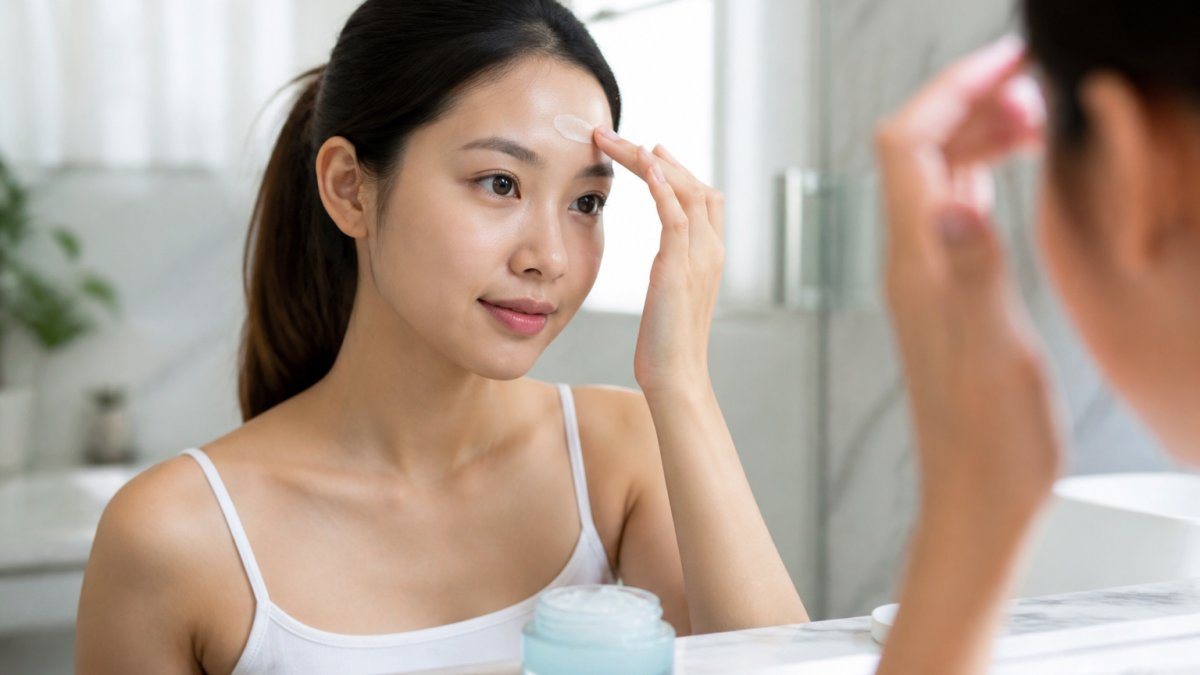
Warm a pea-sized amount between fingertips, press it into the cheeks and jaw first, then use what remains on the T-zone. Never rub hard; pressing helps absorption and avoids tugging. For very dry cheeks, pat a second thin layer only there.
A climate and season decision guide
Use these adjustment rules as a starting point, then fine-tune based on how your skin feels by mid-afternoon.
- Hot and humid (summer outdoors): Gel cream or water gel morning and night. Skip heavy occlusives on the T-zone. If cheeks still flake, add a thin layer of a richer cream only on those areas at night.
- Cold and dry (winter outdoors): Switch to a cream with ceramides and a light occlusive at night. Keep a gel for morning if the T-zone still shines under makeup. Dry patches that flake in January will not be fixed by a gel alone.
- Indoor heating (winter): Heated air pulls moisture from the skin. A humectant-rich essence under your moisturizer helps, and a slightly richer night cream on cheeks is often necessary even if the T-zone stays oily.
Routine compatibility and layering order
Moisturizer sits after serums and before sunscreen in the morning. If you use acne treatments or actives (salicylic acid, retinoids, vitamin C), apply them before moisturizer and wait a minute so they absorb. To avoid pilling under sunscreen or makeup, use thin layers and press rather than rub; if a product pills, it is usually because too much was applied or a silicone-heavy formula is sitting under a water-based sunscreen.
How to Tell a Moisturizer Is the Wrong Match
Your skin tells you quickly. Watch for these signals in the first two weeks:
- Shine within an hour on the T-zone means the formula is too occlusive for those zones.
- Tightness or flaking after absorption means it lacks enough emollient for your dry patches.
- New congestion or clogged pores suggest a texture too heavy for daily use.
If two or more of these appear, stop and switch rather than layering more products on top. A poor match rarely improves with time.
Frequently Asked Questions
Should combination skin use a gel moisturizer or a cream?
It depends on which zone bothers you most and what the weather is doing. A Korean gel moisturizer for combination skin suits oily T-zones and humid summer months because it hydrates without a heavy film. A lightweight cream, like DumiDang Mung Bean Cream at $45.00, works better when cheeks feel tight or indoor heating strips moisture in winter. Many people keep both and switch by season, applying the lighter texture on the T-zone and the cream on drier areas.
Which Korean moisturizer ingredients work well for combination skin?
Look for humectants such as hyaluronic acid that pull water into the skin, paired with barrier-supporting ceramides so hydration stays put. Centella asiatica, mung bean, and green tea leaf extract are often found in products that help manage excess oil. Niacinamide at around 5%, as in Daylisse Milk-Mide Blemish Cream, supports uneven tone. Avoid heavy occlusives high on the ingredient list if your T-zone clogs easily.
How should you apply moisturizer to an oily T-zone and dry cheeks?
Treat your face as two zones. Start with a thin layer of gel or lotion across the forehead, nose, and chin, then apply a slightly richer cream to cheeks and jaw. Press the product in with your palms rather than rubbing. In winter, add a second thin layer on dry patches only. This zone-by-zone approach lets one routine serve both oily and dry areas without buying separate products for each.
What is a good Korean skincare routine for combination skin?
Keep it to five or six steps: a low-pH cleanser, a hydrating toner, an essence or serum, a lightweight moisturizer, and sunscreen in the morning. Double cleansing at night helps if you wear makeup or sunscreen. The DumiDang Mung Bean Bundle at $100.00 covers toner, serum, and cream in one calming set, which suits anyone building a routine from scratch. Introduce one new product at a time so you can tell what works.
How do I know if a Korean moisturizer is wrong for my skin?
Watch the first two weeks. Warning signs include new clogged pores along the nose and chin, midday shine that wasn't there before, stinging when you apply, or cheeks that still feel tight an hour later. Persistent redness or small bumps after a new product point to a poor match. Stop using it, return to a product you know works, and reintroduce the new one on a small patch of jawline before trying it across the whole face.
Are Korean moisturizers suitable for sensitive, reactive skin?
Many are formulated with sensitivity in mind. DumiDang Mung Bean Cream is described as suitable for sensitive and dehydrated skin, with Centella asiatica and ferment extracts rather than fragrance-heavy formulas. Patch test on the jawline for three nights before full-face use, especially if you have reacted to K-beauty products before. If your skin stings on contact, stop and simplify to a single gentle moisturizer until the barrier settles.
Combination skin is not a problem to fix once; it is a balance to maintain as seasons and indoor conditions shift. We built our collection at Avana Beauty around that reality, with lightweight creams that support the barrier, calm irritation, and refine the look of texture without weighing down the oily zones. Browse the DumiDang, Gongjua, and Daylisse ranges to find the texture that matches your skin today, and adjust as the weather changes.