Table of Contents
- Start With Your Skin Concern, Not the Hype
- Korean Face Cream Ingredients for Mature Skin
- Korean Moisturizer for Dry Mature Skin: Texture and Climate
- Korean Moisturizer for Sensitive Mature Skin: Fragrance and Actives
- Patch Testing Korean Skincare Before You Commit
- How to Fit a Korean Face Cream Into Your Routine
- Matching Creams to Concerns: A Quick Decision Framework
- Conclusion
- Frequently Asked Questions
Last Updated: October 21, 2026
Start With Your Skin Concern, Not the Hype
Choosing the right Korean face cream for mature skin starts with one question: what is your skin actually doing?
Walk into any K-beauty shop and you will see shelves of jars promising everything at once. Most of that is marketing.
At Avana Beauty Inc, we curate Korean skincare for customers across the country, and the pattern is consistent: people who match a cream to their dominant concern get results, and people who buy on hype cycle through jars without progress.
Korean Face Cream Ingredients for Mature Skin
Korean face cream ingredients for mature skin fall into four working groups: humectants that pull water into the upper layers, emollients that soften and smooth, occlusives that seal moisture in, and actives that target firmness, tone, and fine lines.
Here is how to sort the common ones by what they actually do:
-
Hyaluronic acid and glycerin (humectants). These attract and hold water in the stratum corneum, the outermost layer. The effect is temporary plumping: skin looks fuller and fine lines appear softer for hours, not weeks. On their own they can draw moisture from deeper layers if the air is very dry, so they work best with an occlusive on top. Glycerin is the more reliable workhorse; hyaluronic acid varies widely by molecular weight, and low-molecular-weight versions penetrate further but can sting reactive skin.
-
Squalane, shea butter, jojoba and camellia seed oil (emollients and occlusives). These fill the gaps between skin cells and slow water loss. Squalane is lightweight and unlikely to clog pores; shea butter is heavier and better for very dry patches; jojoba closely resembles skin's own sebum; camellia seed oil is a traditional Korean ingredient that absorbs without a heavy film. Mature skin that produces less oil benefits from at least one of these in its cream.
-
Collagen and peptides. Collagen molecules are too large to penetrate intact skin, so treat topical collagen as a surface moisturizer, not a structural rebuild. Peptides, short amino acid chains, can signal skin to support its own matrix, but the evidence is modest and cumulative. Expect cosmetic smoothing over weeks, not a facelift.
-
Adenosine. A smoothing ingredient common in Korean anti-aging formulas. It is well tolerated and works on the appearance of fine lines over consistent use; it is not a replacement for a prescription retinoid.
-
Bakuchiol. A plant-derived alternative to retinol. It is gentler and less likely to cause the peeling and redness that retinol can trigger, which makes it a reasonable choice for sensitive or reactive mature skin. The trade-off: it is generally considered less potent than retinol, so results build more slowly.
-
Niacinamide and pearl extract. Niacinamide supports the barrier and improves the look of uneven tone at concentrations around 2-5%; higher percentages can irritate some skin. Pearl extract is a traditional brightening and smoothing ingredient in Korean formulas; evidence is largely cosmetic and cumulative.
-
Fragrance and essential oils. These are not active ingredients, but they are the most common triggers for redness, itching, and stinging in reactive skin. If your skin has reacted before, a fragrance-free formula is the safer starting point.
The trade-off is real, and it cuts two ways. Richer creams with butters and oils feel wonderful on dry skin and can feel heavy or congesting on oily or combination skin. Lighter gel-creams absorb fast but may not hold moisture through a cold night.
Korean Moisturizer for Dry Mature Skin: Texture and Climate
A Korean moisturizer for dry mature skin should be the richest step in your routine, and its texture should change with the season, the climate you live in, and the time of day.
Texture is where most people go wrong. In summer, a rich cream can feel suffocating and trigger congestion. In a cold, dry winter, a light lotion disappears by noon.
A practical framework for adapting your cream:
-
Humid summer, outdoor heat. Choose a gel-cream or lotion built on humectants (glycerin, hyaluronic acid) with a light emollient like squalane. Apply to damp skin and let it absorb before sunscreen. A heavy butter-based cream in this condition can trap sweat and trigger breakouts.
-
Cold, dry winter with indoor heating. Step up to a cream with shea butter, jojoba, or camellia seed oil alongside humectants. Indoor heating drops humidity sharply, so the occlusive layer matters more than the humectant layer. Apply to slightly damp skin and press in rather than rubbing.
-
Day versus night. In the morning, a lighter cream sits better under sunscreen and makeup; a heavy cream can cause pilling and shine. In the evening, you can use a richer cream or add a thin layer of a sleeping mask over it. Night is also when actives like bakuchiol do their work, so a cream that supports the barrier overnight pairs well with them.
-
Transition seasons. Spring and fall are when most people over- or under-moisturize. Keep both a light and a rich cream on hand and switch based on how your skin feels after cleansing, tight means step up, greasy by midday means step down.
Look for creams built on oils and butters alongside humectants. Formulas with shea butter, squalane, jojoba seed oil and camellia seed oil lock in moisture without needing a thick layer.
Korean Moisturizer for Sensitive Mature Skin: Fragrance and Actives
A Korean moisturizer for sensitive mature skin should have a short, gentle formula and no fragrance if your skin reacts easily. Sensitivity and aging often arrive together, and reactive skin punishes you for experimenting with strong actives.
Two things matter most. First, fragrance. Fragranced creams smell lovely and are a common trigger for redness, itching and stinging in reactive skin.
Patch test everything, introduce one product at a time, and give each new cream two weeks before adding another. If your skin stings, burns or turns red, stop. A calm barrier is the foundation for every other result.
Patch Testing Korean Skincare Before You Commit
Patch testing Korean skincare takes about 48 hours and should happen before a new cream touches your face. It is the cheapest insurance in skincare, and it is the step most people skip.
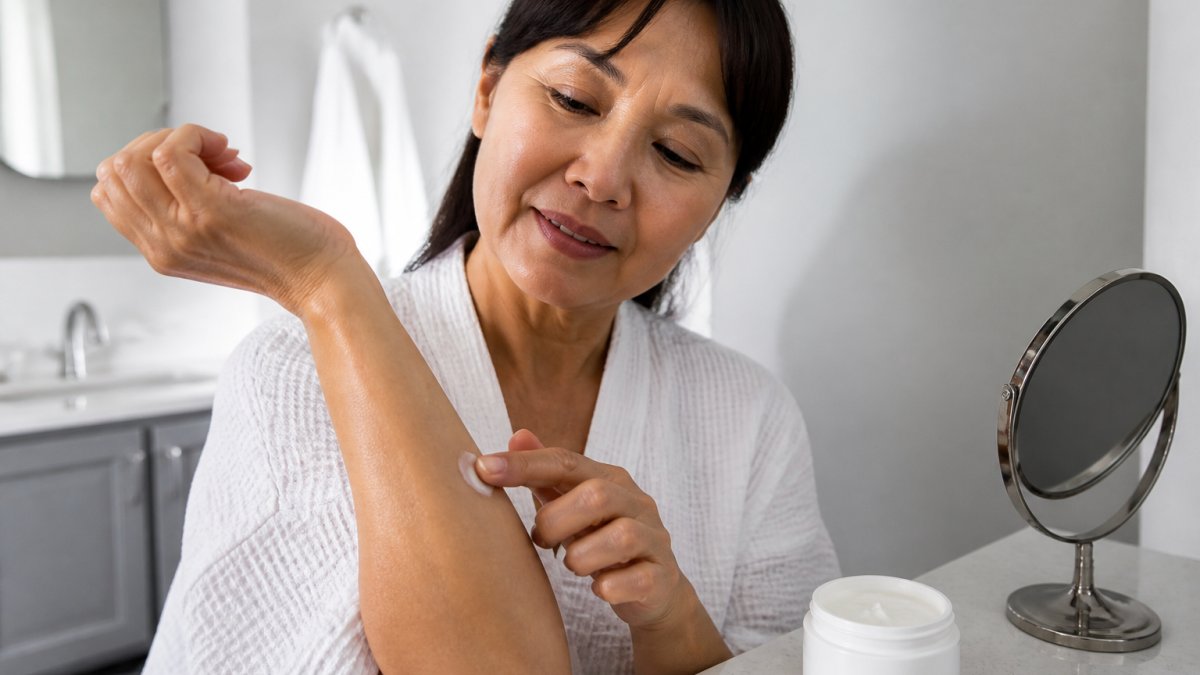
Here is the routine we recommend:
- Clean a small patch on your inner forearm or behind your ear.
- Apply a pea-sized amount of the cream and let it dry.
- Leave it uncovered and avoid washing the area for 48 hours.
- Check for redness, itching, swelling or stinging at 24 and 48 hours.
- If the patch is clear, apply a small amount to your jawline for two more days.
- Only then introduce the cream to your full face, one new product at a time.
If you react, stop using it and note the ingredient list so you can spot the pattern. Most reactions come from fragrance or a strong active, and knowing which one saves you from repeating the mistake.
How to Fit a Korean Face Cream Into Your Routine
A Korean face cream goes last in your evening routine and second-to-last in the morning, right before sunscreen. Cream is the step that seals everything underneath it, so order matters more than the number of products you own.
A simple routine for mature skin looks like this:
- Cleanser: a gentle, low-foam cleanser that does not leave skin tight.
- Toner or essence: light hydration to prep the skin.
- Serum: your targeted step for firmness, dullness or fine lines.
- Eye cream: optional, for the thinner skin around the eyes.
- Face cream: press in a thin layer to lock in moisture.
- Sunscreen (morning only): the non-negotiable final step.
In the evening, you can use a richer cream; in the morning, a lighter one sits better under sunscreen and makeup. If your skin feels tight after cleansing, your cleanser is too harsh, not your cream too weak. Fix the cleanse before you buy a heavier moisturizer.
Matching Creams to Concerns: A Quick Decision Framework
Use this framework to narrow the field before you buy. Start with your dominant concern, then match the texture and ingredients to it.
| Your main concern | What to look for | Texture to choose | Example from our shelf |
|---|---|---|---|
| Dryness and dullness | Black bean, carrot extract, vegetable collagen, adenosine | Rich but non-greasy | DumiDang Black Bean Cream, $45.00 |
| Loss of firmness and fine lines | Bakuchiol, peptides, pearl extract, camellia seed oil | Rich, melting | Gongjua Pearl Age Turn Over Cream, $50.00 |
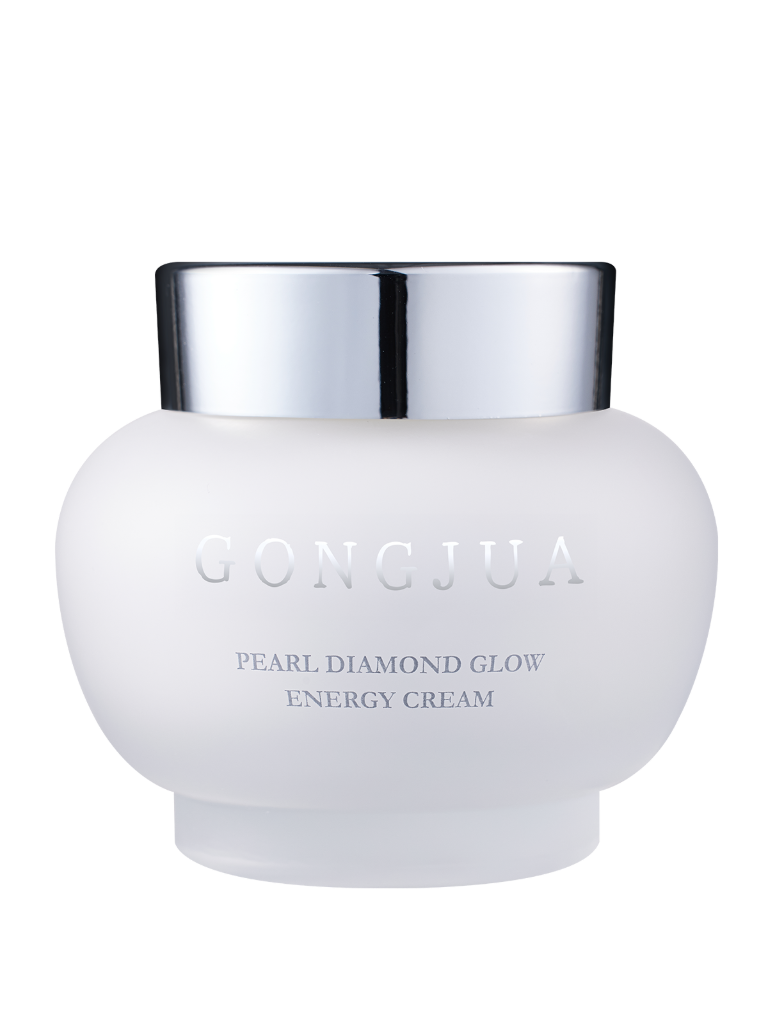
| Dry, aging skin needing glow | Pearl extract, barrier-supporting ingredients | Luxurious, hydrating | Gongjua Pearl Diamond Glow Energy Cream, $50.00 |
| Dehydration and elasticity | Pearl extract, royal jelly, collagen, squalane | Nourishing, rich | Gongjua Pearl Nutrition Cream, $50.00 |
Each of these creams is designed as the final moisture step, layered over a toner and serum. The Black Bean Cream suits dry, mature and dull skin and helps reduce the look of fine lines.

If you are unsure, start with the concern that bothers you most in the mirror each morning, and pick the cream built for it.
Conclusion
The hardest part of buying a Korean face cream is not finding one. It is choosing between dozens of jars that all claim to reverse time. Match the cream to your dominant concern, respect your skin's sensitivity, patch test before you commit, and let texture follow the season.
That is how we approach our collection at Avana Beauty Inc. We stock premium Korean creams like the DumiDang Black Bean Cream and the Gongjua Pearl range so you can match a formula to a real concern instead of a trend.

Frequently Asked Questions
Which ingredients should I look for in a Korean face cream for mature skin?
Look for ingredients that support moisture retention and the look of elasticity. Vegetable collagen, adenosine, and peptides appear in creams aimed at fine lines and firmness, while shea butter, squalane, and camellia seed oil help lock in hydration. For dullness, pearl extract and royal jelly are common. Bakuchiol is worth noting if you want a retinol alternative that is often better tolerated. Match the ingredient list to your main concern rather than buying the longest list, and introduce one new cream at a time so you can tell what is working.
How do I choose a Korean moisturizer for dry or sensitive mature skin?
For dry mature skin, a rich cream that seals in moisture as the final routine step works better than a light gel, especially through winter. For sensitive mature skin, start with a shorter ingredient list, avoid added fragrance where possible, and patch test before full application. A Korean moisturizer for sensitive mature skin should calm and hydrate without stinging. If your skin reacts to many products, test on the inner forearm for 48 hours, then try a small area of the jawline for another two to three days before using it across your whole face.
Should mature skin use a cream or a gel moisturizer?
Cream textures generally suit mature skin better because they hold moisture for longer and support the skin barrier, which weakens with age. Gel moisturizers feel lighter and can work in humid summer months or for combination skin, but they often need a cream layered over them at night. If your skin feels tight an hour after applying a gel, that is a sign you need a richer formula. Many people use a gel in the morning under sunscreen and a cream at night.
How should I patch test a new Korean face cream?
Apply a small amount to your inner forearm and leave it for 48 hours, checking for redness, itching, or swelling. If there is no reaction, test a small patch on your jawline for two to three days. Only then apply it to your full face, and start with every other night for the first week. Keep your other products unchanged during testing so you can identify the cause of any reaction. Stop using the cream if irritation appears and give your skin a few days to settle.