Last Updated: October 29, 2026
Quick Summary
Pearl extract is a skincare ingredient made from ground pearls, sometimes praised for brightening, hydration and texture. Evidence is mostly laboratory and review-based, with limited human trials on finished products, so its benefits should be treated as promising rather than proven. Patch test first and judge results over several weeks.
- Pearl extract is made from ground pearls processed into a liquid or dispersed form for cosmetic formulas.
- Most research on pearl ingredients is laboratory-based, with limited human clinical evidence on topical products.
- Check the ingredient list for the INCI name and whether a concentration is stated.
- Patch test on the jawline or inner forearm for several days before applying to the face.
- Judge results over several weeks, introducing one new product at a time.
Table of Contents
- What Pearl Extract Is and Where It Comes From
- Pearl Extract vs Pearl Powder: What Is the Difference?
- Pearl Powder Benefits for Skin: What the Evidence Shows
- Pearl Skincare for Sensitive Skin: Risks and Who Should Be Careful
- How to Use Pearl Powder on Skin Safely
- Choosing and Building a Pearl Extract Routine
- Your Next Step: Choosing a Pearl Serum or Cream to Try
- Frequently Asked Questions
Pearl extract has become one of the more talked-about ingredients in Korean skincare, and Avana Beauty Inc has noticed the questions rising with it. Pearl ingredients are often described as brightening, hydrating and anti-ageing, but the research behind those claims is thinner than the marketing suggests. This guide from Avana Beauty Inc explains what pearl extract is, how it differs from pearl powder, what the evidence actually shows, and how to decide whether it belongs in your routine.
What Pearl Extract Is and Where It Comes From
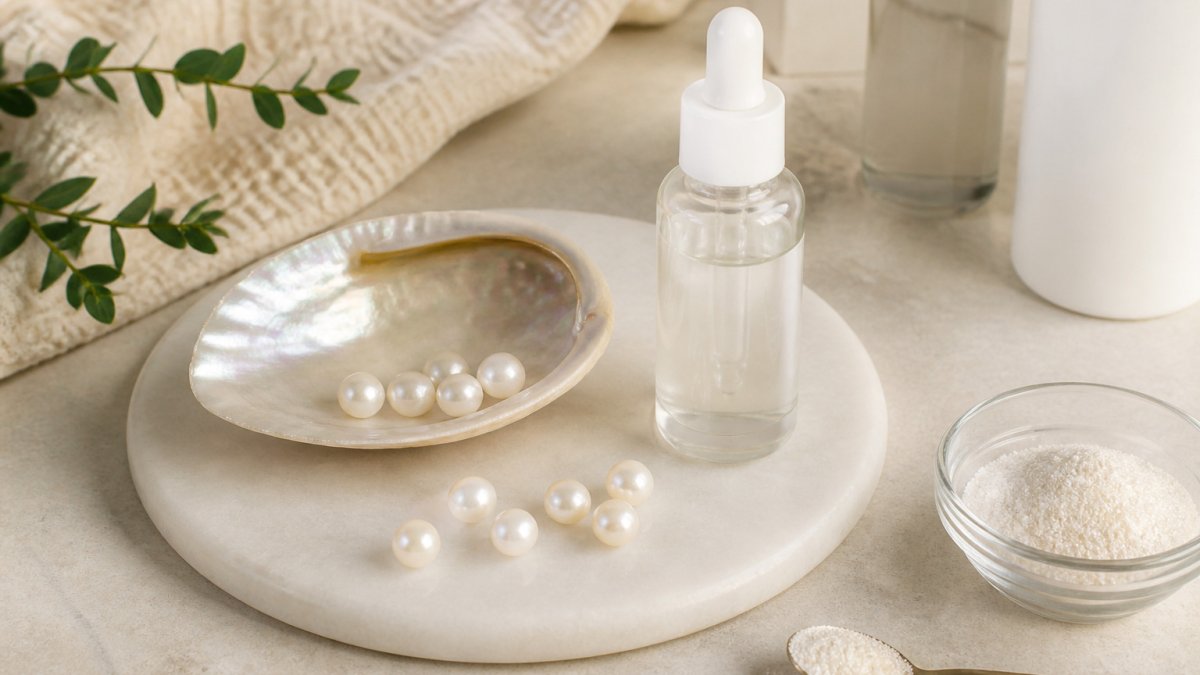
Pearl extract is a skincare ingredient made from ground pearls, typically freshwater pearls, that are processed into a liquid or dispersed form for use in cosmetic formulas.
Pearl materials have a long history in traditional medicine, and modern researchers have begun examining them more closely.
Brands label these ingredients in different ways, so check the ingredient list for the INCI name rather than relying on marketing terms.
Pearl Extract vs Pearl Powder: What Is the Difference?
Pearl extract and pearl powder are related but not identical. Pearl powder is the ground solid material, while pearl extract usually refers to a processed form in which some of the compounds have been dissolved or dispersed into a liquid base.
This matters because most of the biomedical research describes pearl powder, not the extracts sold in serums and creams.
Pearl Powder Benefits for Skin: What the Evidence Shows
The most common claims for pearl ingredients fall into a few categories: brightening, evening the look of skin tone, hydration, texture and the appearance of fine lines. Each deserves a separate look at the evidence, and each should be read with the ingredient form in mind, because most published research describes pearl powder rather than the extracts sold in serums and creams.
Brightening and Even-Looking Skin Tone
Brightening is the claim most often made for pearl products. Dull-looking skin and uneven tone are common concerns, and many formulas pair pearl extract with other brightening actives such as niacinamide, vitamin C derivatives or tranexamic acid.
Some have proposed that finely divided pearl material may scatter light on the skin's surface, which could make tone look more even in the short term. This would be a cosmetic effect rather than a change in pigmentation.
Hydration, Texture and Fine Lines
Pearl extracts are often formulated for hydration and smoother texture, and some products pair them with humectants such as glycerin, hyaluronic acid and panthenol, plus barrier-supporting ingredients like ceramides. Hydration and a smoother feel are the easiest benefits to notice, because moisture changes how skin looks and feels within days. Fine lines are harder to assess. Reduced visibility of lines usually reflects improved hydration and surface texture rather than a structural change in the skin, so be cautious about claims of lasting anti-ageing effects.
A useful way to separate the evidence is by tier:
- Laboratory and cell studies suggest pearl-derived material can influence collagen-related pathways and angiogenesis in controlled settings. These are starting points, not proof of facial results.
- Review articles summarize that laboratory work but typically do not pool human trials of finished skincare products.
- Human clinical evidence on topical pearl extract products is limited, and brand-funded studies are common. A study on a finished product is more relevant than a study on raw material, but check whether it was controlled, how many people took part, and how long it ran.
Where the Claims Go Beyond the Data
The strongest statements about pearl ingredients are the ones with the weakest support. Most of the research is laboratory or review-based, and there is limited human clinical evidence on topical pearl products. Phrases such as "clinically proven" or "reverses ageing" should prompt scepticism unless the brand cites a specific, accessible study on the finished product. Evidence quality, and the gap between lab results and real-world skincare, is an area many guides skip.
A Realistic Comparison With Better-Studied Ingredients
If your goal is a specific, measurable change, pearl extract is not the best-evidenced option. For hydration, glycerin and hyaluronic acid have decades of human use data. For uneven tone, niacinamide and vitamin C have more human trial support. For smoother texture, gentle chemical exfoliants such as lactic acid or mandelic acid have clearer mechanisms.
The article sorts the evidence for pearl ingredients into tiers, from laboratory work to human trials.
Gongjua Pearl Age Turn Over Serum 50mL →
| Evidence tier | What it shows | How much to trust it |
|---|---|---|
| Laboratory and cell studies | Possible effects on collagen and angiogenesis | Starting points, not facial proof |
| Review articles | Summarise lab work | Rarely pool human product trials |
| Human clinical evidence | Limited for topical pearl products | Check control, size and duration |
Pearl Skincare for Sensitive Skin: Risks and Who Should Be Careful
Pearl ingredients are generally considered suitable for most skin types, but sensitive, reactive or allergy-prone skin deserves extra caution. Any cosmetic can irritate, and the risk rises with multi-active formulas, fragrance or high-strength brightening agents used together.
If you have sensitive skin, introduce a pearl product slowly. For guidance, our review of K-beauty sunscreens for preventing fine lines covers gentler options.
How to Use Pearl Powder on Skin Safely
Pearl powder is sometimes sold as a loose powder to mix into masks or toners at home. This carries more risk than using a finished product, because you cannot easily confirm the particle size, purity or sterility of home-mixed material. If you choose to try it:
- Buy powder from a supplier that states it is cosmetic-grade and provides a certificate of analysis.
- Mix only the amount needed for one use, and discard any leftover mixture rather than storing it.
- Patch test the mixture on a small area for at least 48 hours before full-face use.
- Avoid rubbing coarse particles hard against the skin, which can cause micro-irritation.
- Stop use if irritation, breakouts or rashes appear, and see a dermatologist for persistent reactions.
For most people, a finished product with a stated concentration is a simpler and more predictable choice than a home-mixed powder.
Choosing and Building a Pearl Extract Routine
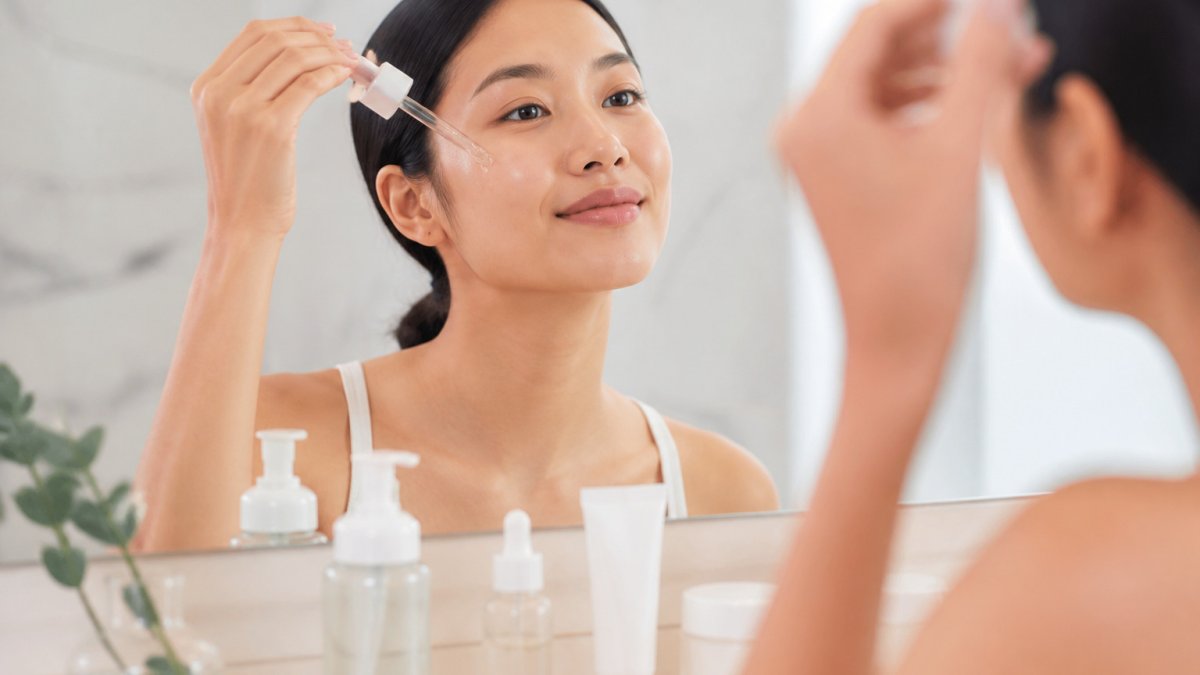
A pearl product works best as part of a simple, consistent routine rather than as a standalone fix. Start with a gentle cleanser, add one or two active products, and finish with moisturiser and sunscreen. Introducing several new actives at once makes it impossible to tell what is helping or causing a reaction.
A Practical Checklist for Reading a Pearl Product Label
Most brands do not publish enough detail to compare concentrations, so use the label and the product page to answer a few concrete questions:
- What is the INCI name? Look for terms such as pearl powder, hydrolyzed pearl or pearl extract on the ingredient list, not just in the marketing copy. The INCI name tells you which form is actually in the formula.
- Where does it sit on the list? Ingredients are listed in descending order of concentration up to 1 percent, after which order is not meaningful. A pearl ingredient near the end may be present only in trace amounts.
- Is a concentration stated? A percentage is more useful than a picture of a pearl. If no concentration is given, assume the amount is modest.
- What else is in the formula? Brightening, hydration and texture benefits often come from supporting actives such as niacinamide, glycerin or gentle acids. Judge the whole formula, not the headline ingredient.
- Is the format suited to your skin? Serums suit people who want a lighter, fast-absorbing step, while creams suit drier skin that needs more barrier support.
- Is there fragrance or alcohol high on the list? These are common irritation triggers for sensitive skin and can undercut the soothing claims made for pearl.
Where It Fits in Your Routine
Place a pearl serum after cleansing and before moisturiser, and a pearl cream as your moisturising step. If you use other actives, introduce them one at a time. A common pattern is to use a brightening or exfoliating active on some nights and a gentler pearl product on others, rather than layering several strong actives in the same session. Pair brightening products with a gentle sunscreen during the day, since many brightening actives can make skin more sensitive to sun.
Sourcing and Traceability
Pearl-derived ingredients vary with the source and the processing method, and composition can differ between suppliers. If responsible sourcing matters to you, look for brands that state the origin of the pearl material, describe how it is processed, and provide a certificate of analysis for cosmetic-grade material.
If you are starting with brightening, the is a good example of a lightweight option to try on its own before layering other products. Build the routine gradually, one new product every week or two, so you can track how your skin responds.
Your Next Step: Choosing a Pearl Serum or Cream to Try
Once you know what you want from pearl ingredients, the next decision is format. The Gongjua Pearl Age Turn Over Serum 50ml is a dual-layer serum for dehydrated or less-elastic skin, priced at $55.00 CAD.

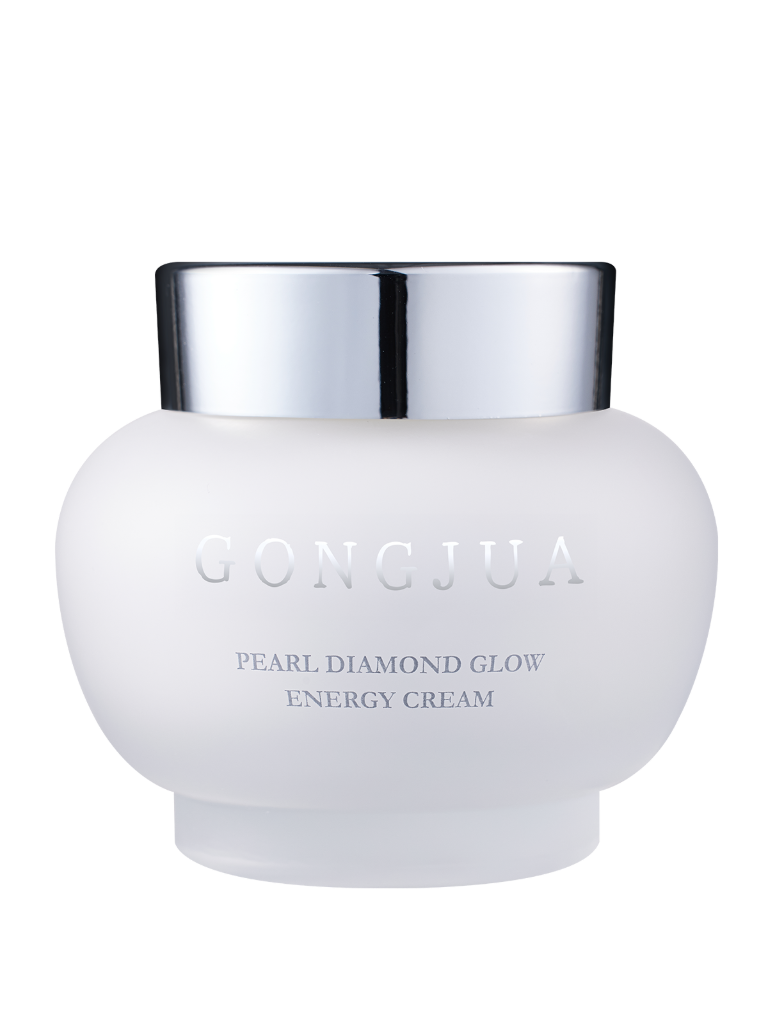
If you prefer a richer option, the Gongjua Pearl Age Turn Over Cream (50g) at $50.00 CAD is built around barrier support and hydration. For a broader look at the range, you can browse the full Gongjua Pearl Luxury Skincare collection to compare textures and formulas side by side.
Whichever you choose, the same rules apply: patch test first, introduce it slowly, and judge results over several weeks rather than several days. Pearl extract is a reasonable ingredient to explore, but treat its benefits as promising rather than proven, and let your own skin be the final judge.
Frequently Asked Questions
Is there scientific evidence that pearl extract improves skin?
The evidence is limited. A 2021 review on pearl powder, published in PMC, reports that it could increase collagen formation and promote skin angiogenesis, but it is a review of biomedical research and does not establish these effects in people using topical skincare. Human clinical trials on pearl extract in creams and serums are scarce, so treat benefit claims as promising rather than proven. Patch testing and realistic expectations matter more than marketing language when deciding whether a pearl product suits your skin.
What is the difference between pearl extract and pearl powder?
Pearl powder is ground pearl material, while pearl extract is a processed derivative prepared for use in formulations. Both are marketed for brightening and hydration, but their concentration, texture and stability can differ between products. Compare the ingredient list and the product's stated concentration rather than assuming the two terms mean the same thing. Check the INCI list on the label to see exactly what the product contains.
Can pearl skincare products irritate sensitive skin?
Yes, any cosmetic ingredient can cause irritation or an allergic reaction, and sensitive skin is more prone to it. Any new ingredient can cause reactions in some users, so introduce a new product slowly. Stop use if you notice redness, stinging, itching or swelling, and consult a healthcare professional for persistent reactions.
How should I patch test a pearl skincare product?
Apply a small amount to a discrete area such as the inner forearm or behind the ear once daily for three to five days before using it on your face. Watch for redness, itching, burning or bumps during that period. If nothing develops, you can begin using it on your face, starting with a few times per week. Patch testing cannot rule out every reaction, but it catches most immediate irritation.