Last Updated: October 23, 2026
Quick Summary
Whether is korean toner necessary for oily skin depends on your specific goals and skin condition. Toner is optional, not essential, but becomes valuable if it addresses a real issue like excess oil, clogged pores, or dehydration triggering more oil production. It becomes useful only when it solves a problem you actually have.
- Korean toners are lighter and more hydrating than Western toners, focusing on balancing skin rather than stripping it.
- A hydrating toner can reduce excess oil production by addressing dehydration, which often triggers compensatory sebum production.
- Start with toner once daily in the evening, then progress to twice daily if your skin tolerates it well.
- Never combine exfoliating toner with retinoids, benzoyl peroxide, or other exfoliants on the same night.
- The DumiDang Mung Bean Essence Toner is formulated for oily skin with fast absorption and costs $25.00.
Table of Contents
- What Korean Toner Does and Whether It's Actually Necessary
- How Toner Helps Oily Skin: Benefits Beyond Cleansing
- Best Korean Toner for Oily Skin: What to Look For
- Ingredients to Look for in Toner for Oily Skin
- Hydrating Toner vs Exfoliating Toner for Oily Skin
- How Often to Use Toner for Oily Skin
- The Real Answer: Do You Actually Need Korean Toner?
- Frequently Asked Questions
What Korean Toner Does and Whether It's Actually Necessary
The question of whether is korean toner necessary for oily skin comes up constantly in skincare communities.
Korean toners work differently than traditional Western toners. They're lighter, more hydrating, and focus on balancing skin rather than stripping it.
According to Dermatology Times on facial toner necessity, toning isn't strictly necessary for skin health.
Many people assume toner is a mandatory step. It's not.
How Toner Helps Oily Skin: Benefits Beyond Cleansing
Toner can help oily skin in specific, measurable ways, but only if you choose the right formula and use it correctly.
Removing impurities and sebum after cleansing
After cleansing, your skin isn't always completely clean. A lightweight toner can remove residual impurities and sebum your cleanser missed.
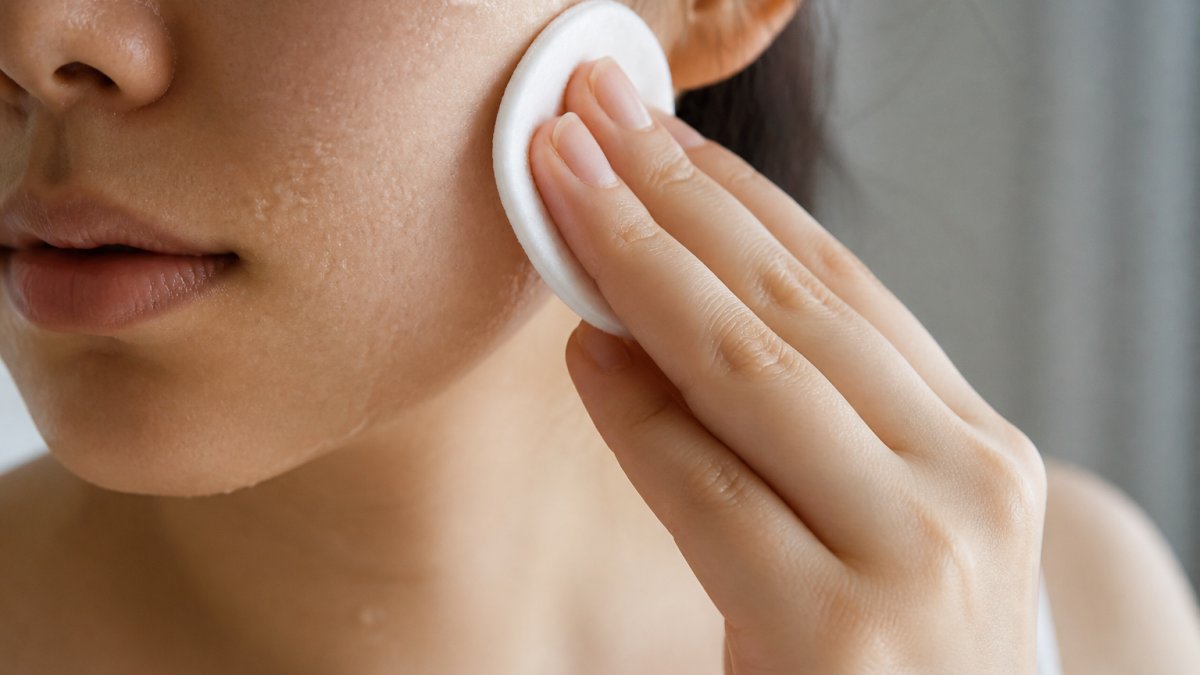
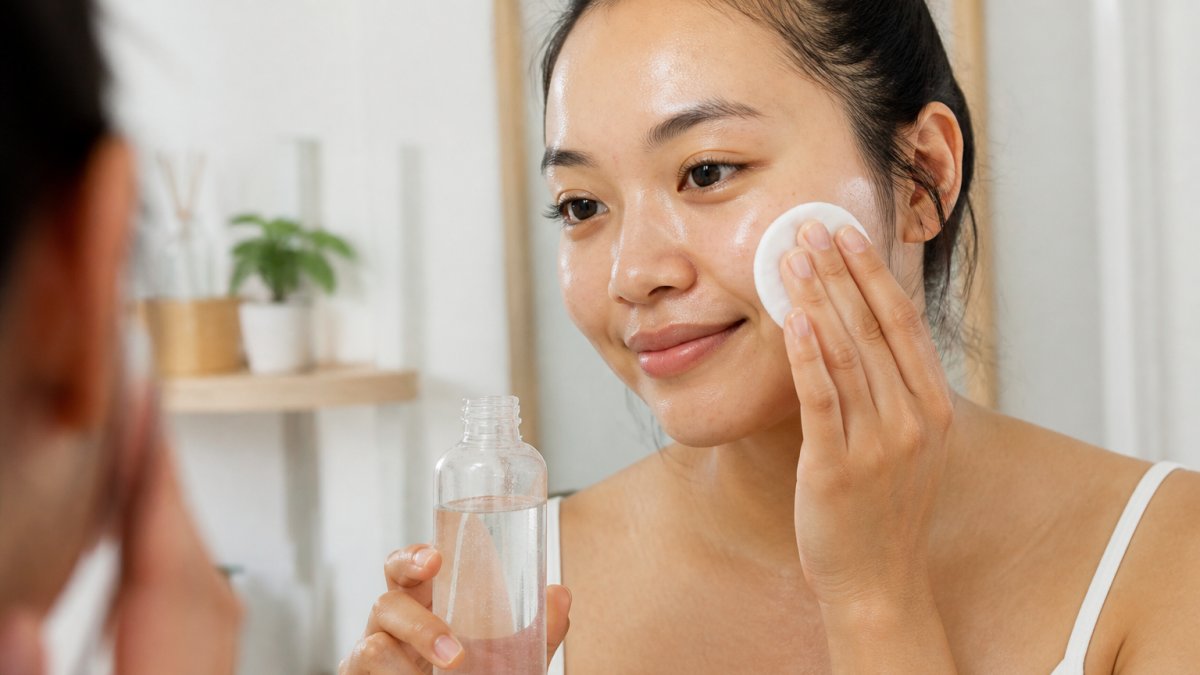
The best approach is to use a toner on a cotton pad and gently swipe across your face after cleansing.
Preventing clogged pores and breakouts
Clogged pores happen when sebum, dead skin cells, and bacteria accumulate inside follicles. A toner with gentle exfoliating ingredients can help prevent this buildup.
Ingredients like salicylic acid and glycolic acid work by dissolving the oil and dead skin that clog pores. Over time, consistent use reduces the frequency and severity of breakouts.
The catch: these ingredients can irritate if overused. Start slowly and monitor how your skin responds.
Why hydration matters for excess oil production
This is where most people get it wrong. Oily skin doesn't mean your skin is well-hydrated. In fact, dehydrated skin often produces more oil as a compensatory mechanism.
When your skin lacks water, it signals your sebaceous glands to produce more sebum to protect the barrier. A hydrating toner can break this cycle by delivering moisture your skin actually needs.
Look for toners with glycerin or hyaluronic acid. Try the DumiDang Mung Bean Essence Toner, which combines hydrating ingredients with a lightweight formula designed for oily skin. These humectants draw water into your skin, addressing the root cause of overproduction rather than just treating the symptom.

Best Korean Toner for Oily Skin: What to Look For
Choosing the right toner for oily skin requires looking beyond marketing claims. Focus on these practical criteria:
- Lightweight texture: Avoid heavy, sticky formulas that feel occlusive
- Fast absorption: The toner should sink in within 30 seconds
- No added fragrance or alcohol: These irritate and dry out skin
Korean skincare guides on hydrating toner for oily skin recommend matching your toner type to your specific concern. If your main issue is excess oil, a mattifying toner works better. If dehydration drives your oiliness, hydrating formulas are the priority.
We recommend the DumiDang Mung Bean Essence Toner (200mL) for oily skin. It's formulated specifically for sensitive and oily skin types, with a fast-absorbing texture that won't leave residue.
Ingredients to Look for in Toner for Oily Skin
Not all ingredients work equally well for oily skin. Understanding what each does, at what concentration, and how to read a label helps you make smarter choices without relying on marketing claims.
Salicylic acid and glycolic acid for exfoliation
Salicylic acid is a beta-hydroxy acid (BHA) that dissolves in oil.
Glycolic acid is an alpha-hydroxy acid (AHA) that works on the skin surface. It dissolves dead skin cells that mix with sebum and clog pores.
Start with a low concentration if you are new to chemical exfoliants. Use two or three times per week initially, then adjust based on your skin's tolerance.
Glycerin and hyaluronic acid for hydration
Glycerin is a humectant that pulls water from the air and deeper skin layers into the upper layers.
Hyaluronic acid holds many times its weight in water. A small amount in a toner delivers significant hydration in a light formula.
These work best when applied to damp skin. After cleansing, pat your face with a towel but leave it slightly moist.
How to evaluate a product label
Instead of relying on product roundups, read the label against these criteria:
DumiDang Mung Bean Essence Toner (200mL) →
- Fragrance and essential oils: Listed as "fragrance," "parfum," or specific oils such as lavender or citrus. These are common irritants for oily, breakout-prone skin and are worth avoiding if your skin is reactive.
- Alcohol: Denatured alcohol (often listed as alcohol denat.) can feel refreshing but may strip the barrier with repeated use. Small amounts late in an ingredient list are less concerning than alcohol near the top.
- Exfoliating acids: Note the specific acid and its position. A toner with salicylic acid near the end of the list is likely a gentle maintenance product; one with it near the top is closer to a treatment.
Hydrating Toner vs Exfoliating Toner for Oily Skin
These serve different purposes.
Hydrating toners contain humectants like glycerin, hyaluronic acid, or plant extracts.
Exfoliating toners contain chemical exfoliants like salicylic acid, glycolic acid, or lactic acid.
Many people assume oily skin needs exfoliation only. This is a mistake.
A practical routine might look like this:
- Morning: Hydrating toner to prep skin for the day
- Evening: Exfoliating toner 2-3 times per week, hydrating toner on other nights
This balances clearing congestion with maintaining skin health.
Korean toners for oily skin fall into two main categories, each serving a different purpose.
| Toner Type | Best For | Key Ingredients |
|---|---|---|
| Hydrating toner | Oily skin with dehydration, sensitivity, or irritation | Glycerin, hyaluronic acid, plant extracts |
| Exfoliating toner | Oily skin with congestion, breakouts, or dull texture | Salicylic acid, glycolic acid, lactic acid |
How Often to Use Toner for Oily Skin
Frequency matters more than most people realize. Using toner too often causes irritation and dryness, which paradoxically increases oil production. The right cadence depends on what is in the toner and what else is already in your routine.
Introducing toner safely into your routine
If you have never used toner before, start conservatively and patch-test first:
- Patch test: Apply a small amount behind your ear or along your jawline for two or three days before using it on your full face. Watch for redness, stinging, or new bumps.
- Week 1-2: Use toner once daily (evening only) after cleansing.
- Week 3-4: If your skin tolerates it well, use twice daily (morning and evening).
- Monitor: Watch for redness, dryness, or increased breakouts, signs you are overdoing it.
This slow introduction lets your skin adapt and helps you identify any irritation early. If your skin becomes dry or irritated, drop back to once daily or every other day. A hydrating toner is usually easier to tolerate daily than an exfoliating one.
Layering toner with other active ingredients
Toner is often the first step after cleansing, but layering it with other actives requires care.
- Exfoliating toner plus retinoids: Do not use a salicylic or glycolic acid toner on the same night as a retinol or retinoid. Alternate nights, or use the toner in the morning and the retinoid at night. Combining them increases the risk of redness, peeling, and barrier damage.
- Exfoliating toner plus benzoyl peroxide: Both can be drying. If you use a benzoyl peroxide treatment for breakouts, keep the exfoliating toner to two or three nights per week and skip it on nights you apply benzoyl peroxide to the same areas.
- Exfoliating toner plus vitamin C: Some vitamin C serums are formulated at low pH and can sting when layered with acids. Apply the toner first, wait a minute or two, then apply vitamin C; if stinging persists, use them on alternate mornings.
Key rules for safe layering:
- Apply toner first (lightest texture)
- Wait 1-2 minutes for it to dry completely
- Apply serums or essences next
Never mix exfoliating toner with other exfoliants on the same night. Combining salicylic acid toner with a retinol serum, for example, causes irritation.
For oily skin specifically, consider best Korean cleansers for oily skin to understand how your entire routine works together. Toner is one piece of a larger system.
The Real Answer: Do You Actually Need Korean Toner?
After all this, here's the truth: is korean toner necessary for oily skin depends on your specific situation.
You probably need toner if:
- Your cleanser leaves residual oil or makeup on your skin
- You have dehydrated oily skin (oily surface, tight or flaky patches)
- You're prone to clogged pores and congestion
You probably don't need toner if:
- Your cleanser already leaves your skin clean and balanced
- You have sensitive skin that reacts to multiple products
- You're already using other active ingredients (retinol, vitamin C, acids)
The honest answer is that toner is optional. Other skincare products can deliver similar benefits.
But if you have specific concerns, dehydration triggering oil production, congestion, or residual impurities after cleansing, toner can be genuinely useful.
For oily skin specifically, explore top 10 Korean beauty products for oily skin to see how toner fits into a complete routine.
Frequently Asked Questions
Is Korean toner necessary for oily skin?
Korean toner is not strictly necessary, but it can be beneficial for oily skin. According to dermatology experts, toning is optional, other skincare products can provide similar benefits. However, some people with oily skin choose to use toner to remove residual sebum and impurities left after cleansing. The decision depends on your individual skin needs and whether you find a formula that works without causing irritation or excess shine.
What's the best Korean toner for oily skin?
Look for lightweight, fast-absorbing formulas with hydrating or gentle exfoliating ingredients. The DumiDang Mung Bean Essence Toner ($25.00) is formulated specifically for oily skin and sensitive skin, featuring mung bean extract and calming ingredients that won't leave sticky residue.
How often should I use toner if I have oily skin?
Most people use toner twice daily, morning and evening after cleansing. Start with once daily to patch-test, especially if you're new to toner or have sensitive skin. If your toner contains active exfoliating ingredients like salicylic acid or glycolic acid, limit use to 3-4 times per week to avoid over-exfoliation and irritation. Always follow with a lightweight moisturizer to maintain skin barrier health.
Should oily skin use hydrating or exfoliating toner?
Hydrating toners are often better for oily skin long-term because dehydration can trigger excess oil production. Exfoliating toners with salicylic acid or glycolic acid help remove impurities and dead skin cells, but overuse can damage the skin barrier. A balanced approach: use a gentle hydrating toner daily, and add exfoliating toner 2-3 times weekly if your skin tolerates it. This prevents both dehydration and buildup.
The decision to use Korean toner comes down to your individual skin and what problems you're actually trying to solve. At Avana Beauty Inc, we believe skincare should be intentional, not just following steps because they're trendy. Test toner for 4-6 weeks. If your skin improves, less congestion, better hydration, clearer texture, it's worth keeping. If nothing changes or your skin gets worse, skip it and invest in products that actually work for you. That's the only real answer.