Last Updated: November 4, 2026
Quick Summary
Facial oils help hold in moisture that dry winter air and indoor heating pull from the skin. Add them after water-based products, using two or three drops, starting with three nights a week for two weeks. Choose richer oils for dry skin and lighter oils for oily or acne-prone skin.
- Winter cold and heated indoor air can strip the skin's protective barrier quickly.
- Apply facial oil after water-based products such as toner and serum, not before.
- Use two or three drops warmed between the palms, pressed onto the face and neck.
- Start with three nights a week for two weeks, then add more if skin feels comfortable.
- If breakouts appear, reduce the amount used and pause the oil for several nights.
Table of Contents
- Why Winter Skin Needs Extra Support
- Facial Oil vs Moisturizer for Winter: What Each One Does
- How to Choose a Facial Oil for Your Skin Type
- How to Layer Skincare Products in the Right Order
- Step-by-Step: Adding Facial Oil to Your Winter Routine
- Using a Korean Serum for Irritated Winter Skin
- Troubleshooting Breakouts, Stinging and Heavy Feel
- Your Next Step: Building a Winter Routine That Fits Your Skin
- Frequently Asked Questions
Dry air, indoor heating and cold wind can strip the skin's protective barrier faster than most people expect. Avana Beauty Inc has put together this guide to help Canadian shoppers add facial oils to a winter routine without overcomplicating it. Facial oils are a popular winter addition and can be easy to fit into many routines.
Why Winter Skin Needs Extra Support
Winter is hard on skin. For the broader picture, see our complete guide to Korean skincare for harsh winters. Cold air holds less moisture, and heated indoor spaces pull even more water from the surface. Many people notice tightness, flaking and irritation during these months.
Facial oils are not required for everyone. They are most useful when your current moisturizer no longer keeps your skin comfortable.
Facial Oil vs Moisturizer for Winter: What Each One Does
A moisturizer usually combines water, humectants and emollients to hydrate and soften. A facial oil adds a layer that helps slow water loss from the surface.
- Moisturizer: adds hydration and softens skin
- Facial oil: helps hold in moisture already on the skin
- Together: often works better than either alone in dry weather
How to Choose a Facial Oil for Your Skin Type
Pick an oil based on how your skin behaves in winter, not on trends alone.
- Dry or sensitive skin: look for simple formulas built around oleic-rich oils such as olive-derived squalane, avocado or sweet almond. These feel richer and leave a more occlusive film, which helps in low-humidity indoor air. Keep the ingredient list short if your skin reacts easily.
- Oily or acne-prone skin: choose lighter, linoleic-rich oils such as grapeseed, rosehip or hemp seed. They tend to feel less greasy and are less likely to sit heavily on the surface. Apply only where skin feels tight, usually the cheeks and jaw, and skip the T-zone.
- Combination skin: treat zones differently. Use a light oil on dry patches and a richer one only at night on the areas that flake.
- Reactive or barrier-compromised skin: prioritize single-ingredient oils or formulas with a short ingredient list, and patch-test on the jawline for three to five nights before applying to the full face.
A useful rule of thumb is to match the oil to the humidity your skin actually sits in. Outdoor cold holds little moisture, and heated indoor spaces pull water from the surface, so an oil that feels too heavy in summer may feel comfortable in January. If your skin feels greasy within an hour, the oil is too rich for that area or that time of day; if it still feels tight, you likely need more water-based hydration underneath rather than more oil.
Our Revcell 3-Days 3-Layer Ampoule (55ml) & Applicator is sold at $85.00 CAD and uses a triple-chamber format for its moisture, emulsion and oil phases. For a richer option, the Daylisse PeptaRegeno Oint Cream (20g) at $70.00 CAD features a four-peptide complex and a rich texture that forms a protective layer over the skin.
How to Layer Skincare Products in the Right Order
Layering order can affect how each product feels on the skin. As a general rule, many people apply thinner products first and richer products last.
- Cleanser
- Toner or hydrating essence
- Serum
- Facial oil
- Night or day cream
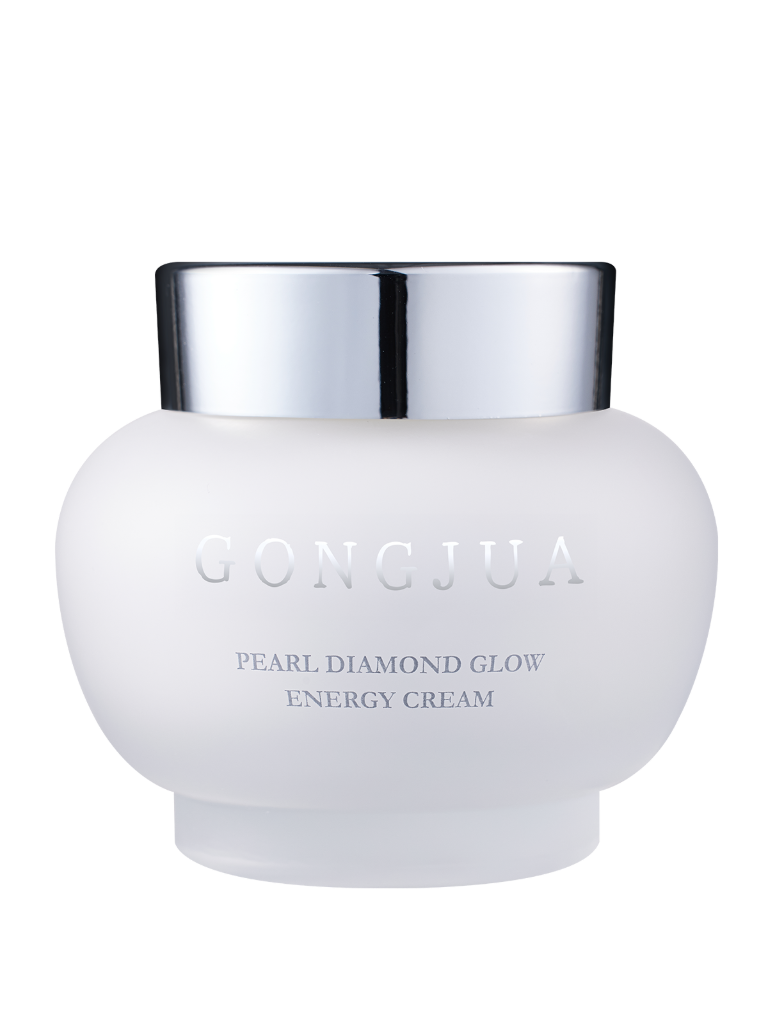
Facial oil is typically applied after water-based products. Our Gongjua Pearl Nutrition Cream (50g), priced at $50.00 CAD, is designed to pair with the Hyaluronic Deep Toner and Pearl Nutrition Serum as the final step of the routine.
Step-by-Step: Adding Facial Oil to Your Winter Routine
Here is a simple way to add oil without changing everything at once.

- Cleanse with a gentle, oil-based or cream cleanser.
- Apply toner or serum to slightly damp skin.
- Warm two or three drops of facial oil between your palms.
- Press the oil gently onto your face and neck.
- Finish with your moisturizer if needed.
Start with three nights a week for two weeks. Add more if your skin feels comfortable.
Revcell 3-Days 3-Layer Ampoule (55ml) & Applicator →
Here is how the main steps and timing fit together, based on the routine outlined above.
| Step | What to do | Time or frequency |
|---|---|---|
| Cleanse | Use a gentle, oil-based or cream cleanser | Daily |
| Toner or serum | Apply to slightly damp skin | After cleansing |
| Facial oil | Warm two or three drops between palms, press onto face and neck | Three nights a week for two weeks |
| Moisturizer | Finish with moisturizer if needed | After oil, as needed |
Using a Korean Serum for Irritated Winter Skin
When winter leaves skin irritated, keep the routine short and gentle. Our Daylisse Royalpolis Night Cream (20g), at $50.00 CAD, is built around the RPC-3 complex of royal jelly, propolis and collagen and is used as the final step in a nighttime routine.
Troubleshooting Breakouts, Stinging and Heavy Feel
Most winter oil problems fall into three patterns, and each has a different fix. Work through them in order before abandoning the oil entirely.
Breakouts or small bumps. If new congestion appears after starting an oil, consider reducing the amount you use and pausing the oil for several nights to see whether the bumps settle.
Stinging or burning. If stinging occurs, consider keeping the routine simple and gentle, and speak with a dermatologist if burning persists. Our seven steps to repair your skin barrier after acne treatments outline a gentle recovery routine.
Heavy or greasy feel. This is almost always a quantity or order problem. Two or three drops pressed into damp skin absorbs very differently from a full dropper on dry skin. Apply the oil after water-based products, not before, and give it a few minutes before judging the finish. If it still feels heavy, use it at night only and keep mornings to a lighter routine.
A common pattern is that reactions improve when the oil is treated as a finishing step rather than a replacement for moisturizer. Keep a short written note of what you changed and when, because winter skin shifts slowly and it is easy to attribute a reaction to the wrong product.
If persistent redness, swelling or burning does not settle, speak with a dermatologist.
Your Next Step: Building a Winter Routine That Fits Your Skin
Frequently Asked Questions
Should I apply facial oil before or after moisturizer in winter?
Apply facial oil after your moisturizer if you want it as a sealing layer, or before it if you want the oil to sink in first. Most people do best with a lightweight water-based moisturizer, then a few drops of oil on top. Apply both to slightly damp skin so the hydration is trapped more effectively. If the oil feels greasy on your skin, use less or switch to a thinner formula. Pressing the product in gently is more effective than rubbing it on.
How often should I use facial oil in my winter skincare routine?
Many people use facial oil once or twice daily in winter, especially at night when the skin repairs itself. Start with every other night for a week or two to see how your skin reacts. If your skin still feels tight or flaky in the morning, add a second application. You can adjust frequency based on how dry your skin feels that day.
Can facial oils help with dry, flaky skin during cold weather?
Yes. Facial oils help reduce water loss from the skin, which is one of the main causes of winter dryness and flakiness. Oils do not add water to the skin on their own, so pair them with a hydrating serum or moisturizer for the best results. Gently exfoliating once a week also helps flakes come away.
Does facial oil replace moisturizer in a winter routine?
Not for most people. Facial oil is designed to work with moisturizer rather than replace it, because moisturizer supplies water-binding ingredients that the oil cannot provide alone. If your current moisturizer already keeps your skin comfortable, adding an oil is not necessary. If your skin still feels dry after moisturizing, a facial oil on top is a sensible next step.
Winter skin changes quickly, so your routine should adapt with it. Browse Avana Beauty Inc's curated Korean skincare collection to find products that suit your skin type and your winter needs.