Table of Contents
- Step 1: Confirm It's Dehydrated Skin vs Dry Skin
- Step 2: Switch to a Gentle, Low-pH Cleanser
- Step 3: Learn How to Layer Korean Skincare for Hydration
- Step 4: Pick a Korean Serum for Irritated Winter Skin
- Step 5: Seal It In With a Barrier-Supporting Moisturizer
- How Long Does It Take to Improve Dehydrated Skin?
- Common Routine Mistakes and When to See a Professional
- Frequently Asked Questions
Last Updated: October 17, 2026
Step 1: Confirm It's Dehydrated Skin vs Dry Skin
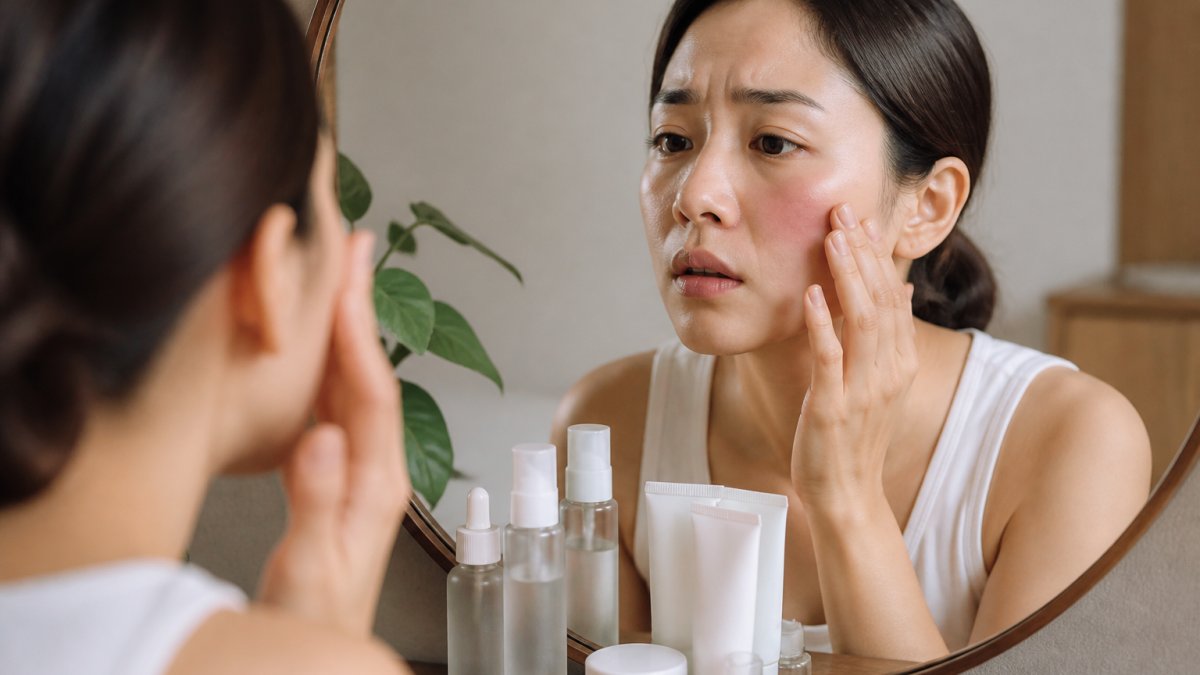
Dehydrated skin is a temporary lack of water in the skin, while dry skin is a skin type that produces less oil. That single difference changes everything about how you treat it.
People buy heavy creams for a problem that actually needs water, not oil.
Quick Self-Check Signs of Dehydration
Look for these signals:
- Skin feels tight after washing, even with a mild cleanser
- Fine lines look sharper in the afternoon
- Makeup settles into flaky patches by midday
- Skin looks dull but still gets oily by evening
- Drinking more water doesn't seem to fix the tightness
Oily but dehydrated skin is common. Shine on the surface, tightness underneath.
What Causes the Water Loss
Dehydration usually comes from outside the body, not inside. Common triggers include:
- Hot showers and harsh soaps that strip the skin barrier
- Cold, dry winter air and indoor heating
- Too much exfoliation
- Caffeine and alcohol
- Long flights or air-conditioned rooms
The fix is a gentle routine that adds water and holds it in. That's where K-beauty shines.
Step 2: Switch to a Gentle, Low-pH Cleanser
Start by throwing out anything that leaves your face squeaky clean. That feeling means the skin barrier is stripped.
A low-pH cleanser sits closer to skin's natural acid balance. It lifts dirt without pulling out water.
Here's how we'd do it:
- Use lukewarm water, never hot
- Apply cleanser with clean hands, not a rough cloth
- Rinse for 20 to 30 seconds, no longer
- Pat dry with a soft towel, don't rub
For makeup days, a cleansing oil first helps. This double cleanse removes sunscreen and makeup so your second cleanser doesn't have to work as hard. The trick is to keep the second step quick and gentle.
Skip harsh exfoliants for now. A gentle routine beats an aggressive one when the barrier is compromised.
Step 3: Learn How to Layer Korean Skincare for Hydration
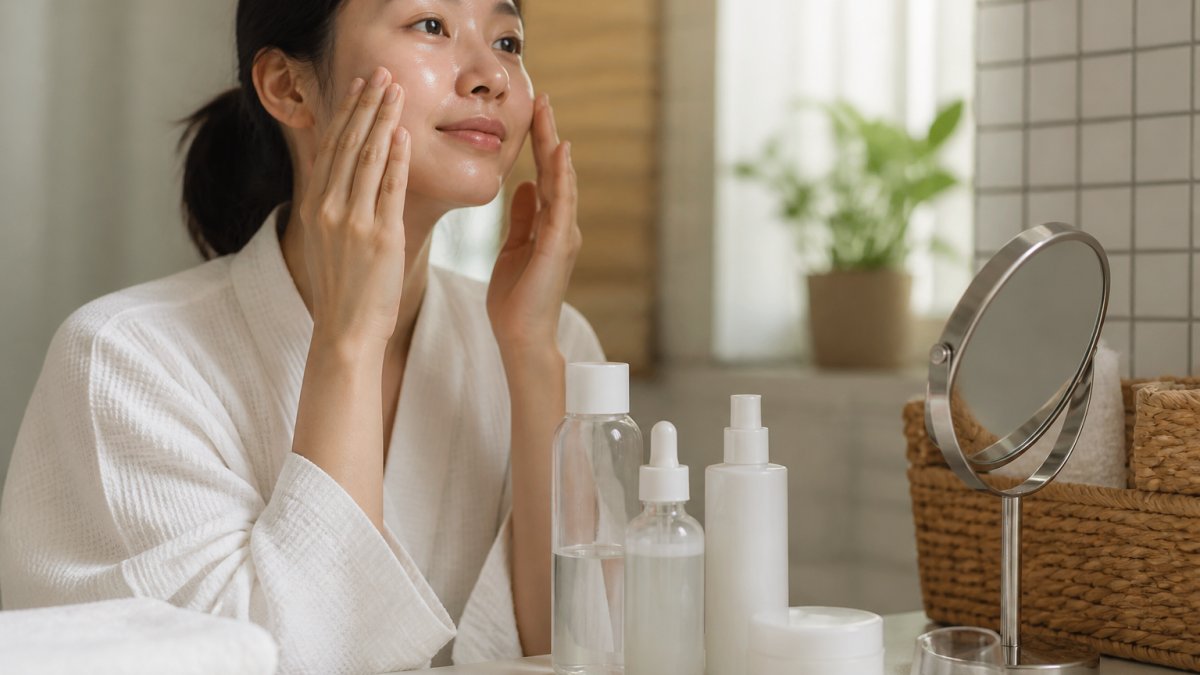
Layering Korean skincare means applying thin, watery products first, then richer ones on top. Each layer adds hydration, and the final layer seals it in. The goal is hydrating layers, not one thick cream. Think light to heavy, always.
Know What Each Layer Actually Does
Most routines are less effective when people stack products without knowing which job each one performs. Korean skincare layering works when you separate products into three functional groups:
- Humectants pull water toward the skin. Common examples are hyaluronic acid, glycerin, panthenol, and snail mucin. They need something on top to hold that water in, or they can draw moisture back out in very dry air.
- Emollients soften and smooth the surface. Squalane, plant oils, and fatty alcohols fill the tiny gaps between skin cells so the surface feels less rough.
- Occlusives slow water loss by forming a breathable seal. Ceramides, cholesterol, shea butter, and dimethicone fall here. They do not add water; they keep it from leaving.
A hydrating toner and essence are mostly humectant steps. A serum can be humectant, emollient, or both. A moisturizer should combine emollients and occlusives. If you skip the occlusive step, the water you layered on evaporates within minutes, which is why some people feel tight again an hour after a full routine.
The Order, Frequency, and Amounts That Matter
Here's a simple table to keep it straight:
| Step | Product | Amount | Frequency |
|---|---|---|---|
| 1 | Low-pH cleanser | Coin-sized | Twice daily |
| 2 | Hydrating toner | 2-3 shakes | Twice daily |
| 3 | Essence or serum | 2-3 drops | Twice daily |
| 4 | Moisturizer | Pea-sized | Twice daily |
| 5 | Weekly mask | Thin layer | 1-2 times a week |
Pat each layer in with your palms. Wait about 30 seconds before the next step. This lets each product absorb before you add more. If a layer pills or feels sticky, you are using too much, not too little.
A hydrating toner is the workhorse here. Our Gongjua Pearl Hyaluronic Deep Toner uses an 11-type hyaluronic acid complex with ceramides and Centella asiatica, which is designed to support multi-layer hydration and reduce moisture loss.

Adapt the Layers to Your Skin Type
The same five steps do not suit everyone. Adjust the weight of the final layer, not the number of steps:
- Oily but dehydrated: keep the toner and essence, then use a gel-cream or lotion instead of a rich cream. Too heavy an occlusive layer on oily skin can trigger congestion without fixing the water deficit.
- Dry and dehydrated: add a second toner layer and choose a cream with ceramides and squalane. You can also press a facial oil over the moisturizer at night.
- Sensitive or reactive: patch-test new essences on the jawline for three nights before using them on the full face. Fragrance and essential oils are common triggers.
- Acne-prone: favor humectant serums over oils, and keep occlusives to a light gel-cream so pores do not feel smothered.
Ingredient Compatibility and Irritation Risks
Some combinations undermine the routine. Strong exfoliating acids used in the same routine as a hydrating essence can sting compromised skin and cancel out the comfort you are trying to build. High-dose vitamin C and retinol are best paused until tightness and flaking settle. Niacinamide is generally well tolerated, but very high percentages can tingle on a stressed barrier.
Hyaluronic acid is not a one-size ingredient. In low humidity, a pure hyaluronic serum without an occlusive on top can leave skin feeling tighter. Pair it with a moisturizer, or choose a formula that already includes ceramides or squalane.
Step 4: Pick a Korean Serum for Irritated Winter Skin
For a Korean serum for irritated winter skin, look for humectants and soothing ingredients, not actives. Hyaluronic acid pulls in water. Centella asiatica, often called cica, calms redness. Panthenol supports comfort.
Avoid strong acids, high-dose vitamin C, and retinol until your skin settles.
Our pick for winter is the DumiDang Chickpea Serum. It combines chickpea extract, squalane, an 11-hyaluronic acid complex, and panthenol, and it's designed for dry, dehydrated, and sensitive skin. It layers well in the morning and evening.
Two to three drops is enough. More won't speed things up.
Step 5: Seal It In With a Barrier-Supporting Moisturizer
A moisturizer doesn't add water. It locks in the water you just layered on. Skip this step and everything underneath evaporates.
Look for ceramides, squalane, and cholesterol. These support the skin barrier and help slow water loss.
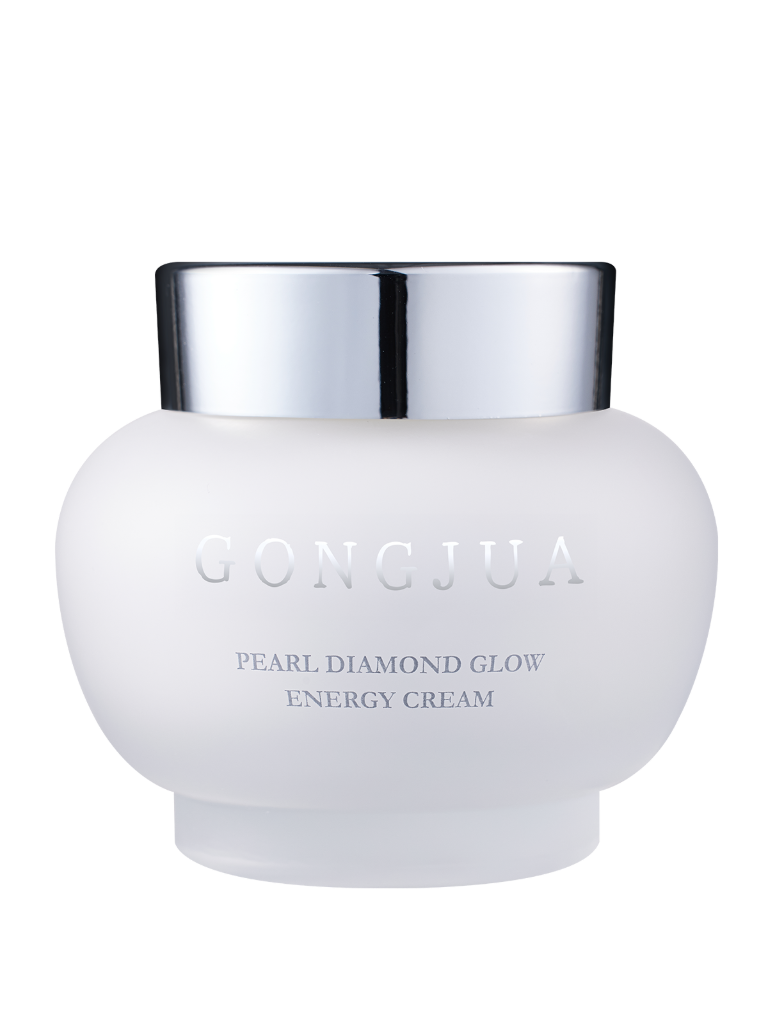
Our Gongjua Pearl Nutrition Cream pairs freshwater pearl extract, royal jelly, collagen, squalane, and ceramide-friendly ingredients in a rich texture built to lock in moisture. It's made to follow the toner and serum as the final step.

If you want the whole routine in one box, the Gongjua Pearl Nutrition Bundle includes the toner, serum, and cream together for $124.00.

How Long Does It Take to Improve Dehydrated Skin?
Most people notice a difference in skin comfort within one to two weeks of a consistent gentle routine. Visible plumpness and softer fine lines usually show up around the three to four week mark.
A Week-by-Week Expectation
- Days 1-3: Skin may still feel tight after cleansing while the barrier adjusts. Do not add new products during this window; change one variable at a time.
- Week 1: Tightness after washing should ease. If it has not, check water temperature and cleanser first.
- Weeks 2-3: Flaking and rough patches should fade. Makeup should sit more smoothly by midday.
- Week 4: Fine lines from dehydration should look softer.
Signs the Routine Is Working
Track these markers rather than judging by feel alone:
- Skin feels comfortable within five minutes of cleansing
- Flaking around the nose and mouth fades
- Makeup no longer catches on dry patches by afternoon
- The afternoon tightness you used to feel is gone or milder
- Redness from irritation settles rather than spreading
A Practical Decision Guide: Dehydration or Something Else?
Self-diagnosis has limits. Use this simple logic before you keep buying products:
- Does tightness improve within two weeks of gentle cleansing and moisturizing?
- Does the skin flake and feel rough but never oily?
- Is there redness, itching, or stinging that worsens with products?
- Are there cracked areas, weeping, or pain? Stop self-treatment and seek professional care.
A common pattern is treating a barrier problem with more actives. If your skin stings when you apply a hydrating toner that used to feel fine, the barrier may be compromised and needs less, not more.
When to Stop Self-Treatment and Seek Professional Care
See a dermatologist or qualified clinician if you notice:
- Persistent redness or swelling that does not settle within a week
- Cracking, bleeding, or pain
- Itching that interferes with sleep
- Worsening irritation despite simplifying your routine
- Symptoms that keep returning after you fix the basics
Those signs can point to a condition beyond simple dehydration, and self-treatment may delay proper care.
Common Routine Mistakes and When to See a Professional
The biggest mistake is treating dehydration like dryness. Heavy occlusive creams alone can feel greasy without fixing the water deficit underneath.
Other common errors:
- Exfoliating more than twice a week
- Layering too many actives at once
- Using hot water
- Skipping sunscreen, which worsens barrier damage over time
- Expecting overnight results
See a dermatologist if you notice persistent redness, swelling, cracking, or pain that doesn't improve. Those signs can point to a condition beyond simple dehydration, and self-treatment may delay proper care.
A gentle routine, hydrating layers, and a good moisturizer can help with dehydration. Keep it simple and consistent.
Frequently Asked Questions
What is the best Korean skincare for dehydrated skin?
Look for hydrating layers built around humectants and barrier support. A practical starting point is a hyaluronic toner, a lightweight serum, and a cream that seals moisture in. For example, the Gongjua Pearl Hyaluronic Deep Toner ($40.00) pairs an 11-type hyaluronic acid complex with ceramide NP and Centella asiatica, and the DumiDang Chickpea Serum ($30.00) adds squalane and panthenol for dry, sensitive skin. Finish with a richer cream to reduce water loss overnight.
How can you tell if your skin is dehydrated or dry?
Dehydrated skin lacks water and often feels tight, looks dull, and shows fine lines that appear worse after cleansing. Dry skin lacks oil and tends to flake, feel rough, and stay dry regardless of how much water you drink. Oily skin can also be dehydrated, which shows up as shine with tightness underneath. If your skin feels tight but still gets oily by midday, it may be dehydrated.
How long does it take to improve dehydrated skin?
Less tightness and better comfort may be noticed within one to two weeks of a consistent gentle routine. Visible improvement in plumpness and texture usually takes about four weeks, which lines up with the skin's natural renewal cycle. If you are still flaking or irritated after six to eight weeks of gentle cleansing and hydrating layers, consider consulting a dermatologist rather than adding more products.
How should you layer Korean skincare products for hydration?
Apply from thinnest to thickest: cleanser, hydrating toner, essence, serum, moisturizer, then sunscreen in the morning. Pat each layer in rather than rubbing, and wait about 30 seconds between steps so products absorb. A simple winter routine is the Gongjua Pearl Hyaluronic Deep Toner, the DumiDang Chickpea Serum, and the Gongjua Pearl Nutrition Cream ($50.00) to lock everything in. Two to three layers of toner are fine if your skin still feels tight.
Dehydrated skin responds fast when you give it water and stop stripping it. If you're tired of guessing which products actually work together, Avana Beauty Inc curates premium Korean skincare built for exactly this. Our toner, serum, and cream are designed to layer as one routine, and our team can help you match products to your skin type and climate. Get started with Avana Beauty Inc and give your skin the hydration it's been missing.